16 Nigerian Banks Meet New CBN Minimum Capital Requirements as Recapitalisation Push Intensifies
The Governor of the Central Bank of Nigeria (CBN), Olayemi Cardoso, has announced that 16 banks have successfully met the newly revised minimum capital base, while 27 others are actively raising additional capital. Cardoso made this disclosure during the 303rd Monetary Policy Committee (MPC) meeting, reaffirming that the country’s financial system remains solid amid ongoing economic reforms.
CBN: Stability Before Growth
Cardoso emphasised that Nigeria’s financial sector is resilient, noting that stability is crucial for sustained economic growth.
“After stability comes investment, and after investment comes growth. What we need is sustained, enduring growth, not short-term gains,” he said, highlighting that recent quarters already show signs of sectoral expansion and rising investor confidence.
Breakdown of the Revised Capital Requirements
In March 2024, the CBN introduced revised capital thresholds for banks, effective April 1, 2024, as part of its broader reform agenda aimed at strengthening the financial sector. The new minimum requirements are:
- N500 billion for banks with international licences
- N200 billion for national banks
- N50 billion for regional banks
The recapitalisation drive aims to protect financial institutions against shocks, deepen financial inclusion, and boost their capacity to support national development.
How Banks Can Meet the New Capital Thresholds
To comply with the recapitalisation mandate, financial institutions can raise capital through:
- Private placements
- Rights issues
- Mergers and acquisitions (M&A)
This flexible approach allows operators to adopt strategies suitable for their corporate structures and market positioning.
Banks That Have Met Their Capital Requirements
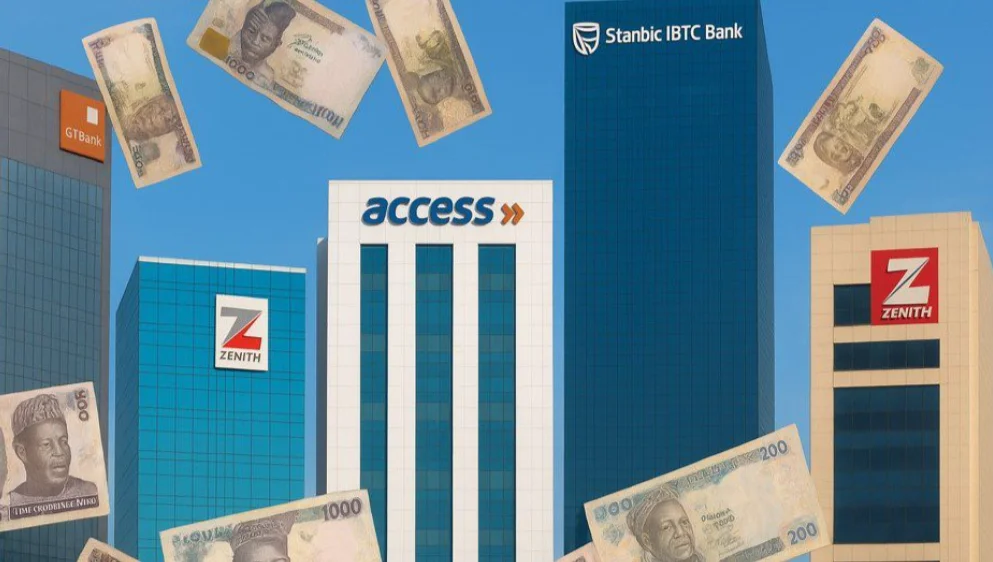
Some of the financial institutions that have met or surpassed their required capital thresholds include:
- Access Holdings
- Zenith Bank
- GTBank (GTCO)
- Ecobank
- Stanbic IBTC
- Wema Bank
- Providus Bank
- Globus Bank
- Premium Trust Bank
- Greenwich Merchant Bank
- Jaiz Bank
- Lotus Bank
Others are in advanced fundraising stages. For instance, First HoldCo plans to raise N350 billion via private placement in H2 2025, aiming for a total paid-up capital of N748 billion. Fidelity Bank, FCMB, and Sterling Bank are also progressing with capital mobilisation. The CBN has set March 2026 as the final deadline for compliance.
CBN Tightens Regulatory Measures Across the Sector
Beyond recapitalisation, the CBN is rolling out broader reforms to strengthen discipline in the financial system. One major initiative is the proposed stricter sanctions for repeat offenders of dud cheque issuance.
Under the new exposure draft, Guidelines on the Treatment of Dud Cheques by Banks and Other Financial Institutions in Nigeria, individuals who repeatedly issue dud cheques may face a five-year automatic banking ban for each recurrence.
Key directives from the draft include:
- Financial institutions must report any dud cheque to the Credit Risk Management System (CRMS) and two private credit bureaus within one hour of confirmation.
- Affected customers must be notified within two working days through a verifiable communication channel.
- Full details of the dishonoured cheque must be provided to the customer.
Conclusion
With 16 banks already compliant and dozens more in the process of recapitalisation, the CBN’s sweeping reforms are reshaping Nigeria’s financial landscape. The measures aim to fortify banks, restore market confidence, and position the sector to support long-term economic growth.