By 2023, automation had settled into everyday business reality. Systems were no longer experimental. They were embedded deeply into operations, shaping outcomes quietly and consistently. The challenge was no longer building automation, but living with it. Organizations began to confront an uncomfortable truth: automated systems were only as good as the thinking that designed them.
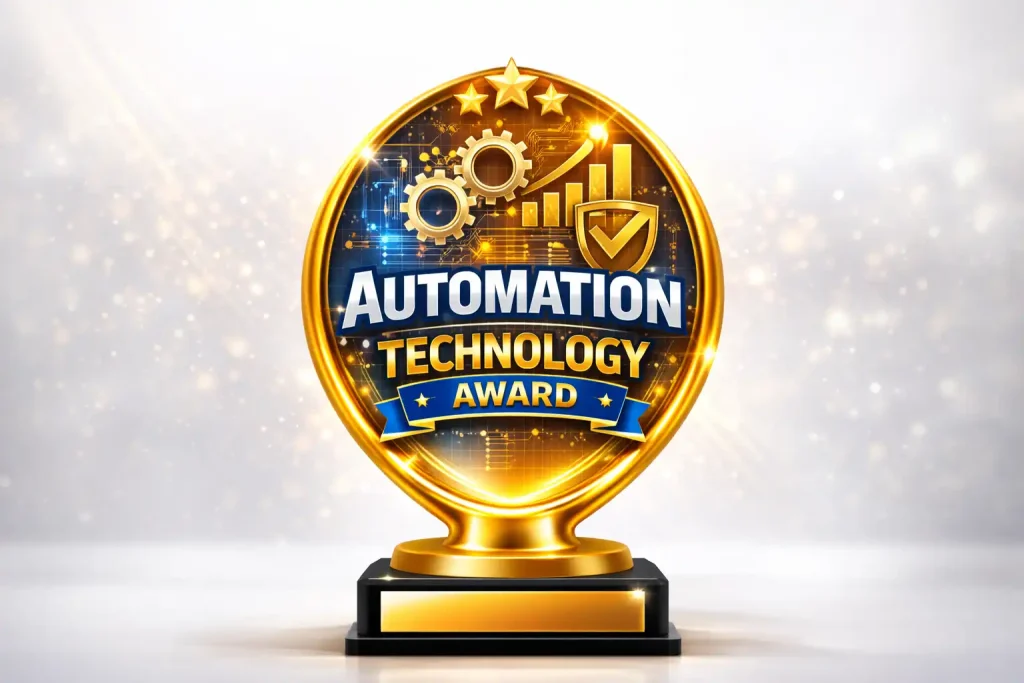
It was within this environment that the Outstanding Achievement in Automation Technology Award was presented to Tunde Balogun, whose work reflected a mature understanding of automation as responsibility rather than capability. His approach avoided spectacle. The emphasis was placed on how systems behaved over time, how they adapted to change, and how clearly their logic could be understood by the people relying on them.
He founded Loopline with a clear emphasis on stability. The company was built to help organizations introduce automation without disrupting the systems they already depended on. Rather than forcing new workflows into place, the company focused on shaping automation that could adapt gradually, allowing teams to understand and adjust systems as operational conditions changed. Its work centered on environments where automated processes were already essential, prioritizing transparency and practical control over technical spectacle.
Across 2023, the company worked with businesses navigating dense operational processes spanning internal services, finance, and day-to-day execution. The company’s systems gave teams clearer oversight of automated activity, making it easier to spot inconsistencies and respond without shutting down entire process chains. Automation served as a means of maintaining order rather than eliminating human involvement.
His approach throughout the year reflected deliberate restraint. Automation was introduced selectively, with attention paid to which processes required refinement before automation and which were better left manual. This pacing helped organizations anticipate system behavior before committing further, reducing unexpected outcomes and building confidence in how automated decisions unfolded during periods of pressure.
He summarized this perspective succinctly when he said, “Automation stops being impressive once it becomes essential. At that point, the only thing that matters is whether people still understand the systems they depend on.” His words reflected a broader shift in how automation leadership was being judged.
The Outstanding Achievement in Automation Technology Award recognized this mindset. It acknowledged that achievement in automation is not measured by scale alone, but by longevity and trust. In a year when automated systems quietly carried critical operations, the award highlighted leadership grounded in clarity, restraint, and long-term thinking.