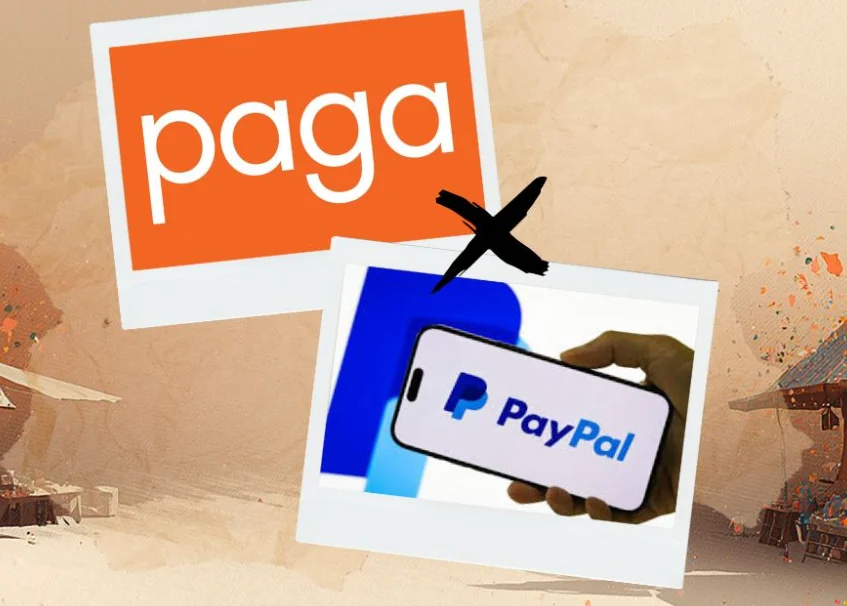
PayPal’s return to Nigeria through its partnership with Paga is not a reversal of past restraint; it is the clearest signal yet that the company has abandoned an old operating model in favour of one built around predictability, local integration, and execution.
In December 2025, Technext characterised PayPal’s Africa strategy as an admission of defeat. At the time, the argument resonated. PayPal, the thinking went, could not dominate African markets the way it had in the United States or Europe. Regulation, fragmented infrastructure, deep local fintech competition, and years of cautious half-entries had forced the company to abandon the idea of control and partner its way into relevance.
That framing felt accurate because it matched lived experience, particularly in Nigeria, where users had endured PayPal’s limitations since the early 2000s and learned to interpret restraint as reluctance.
What now appears contradictory, PayPal “accepting defeat” and then launching fully in Nigeria, only looks that way if defeat is mistaken for withdrawal. What PayPal actually conceded was the failure of its old expansion model. What followed was execution.
This Is Not a Pilot
The PayPal–Paga integration is neither tentative nor experimental. Nigerian users can now link their PayPal accounts directly to Paga wallets, enabling them to receive cross-border payments from PayPal-supported markets, shop with global PayPal merchants, and access funds locally.
Funds can be withdrawn in naira, transferred to local bank accounts, or spent directly within the Paga ecosystem. This is not PayPal testing Nigeria. It is PayPal committing to Nigeria—on terms it believes are sustainable.
Choosing Execution Over Optics
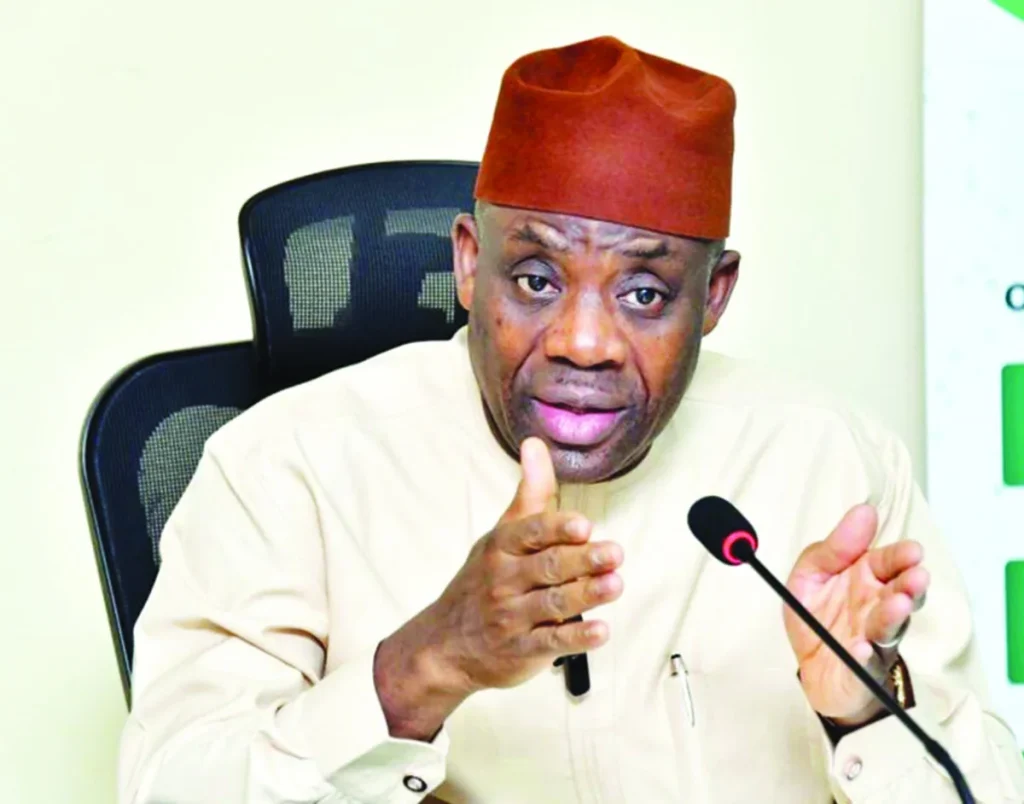
Otto Williams, PayPal’s Senior Vice President for Middle East and Africa, has been consistent in articulating those terms.
In interviews around the partnership announcement, Williams described Nigeria as “one of the most entrepreneurial and globally connected markets in Africa.” That framing matters. It directly counters the idea that PayPal’s earlier caution was driven by doubts about demand.
The scepticism that greets PayPal announcements in Nigeria is not rooted in hostility but fatigue. Nigerian users have seen ambitious promises before, many of which failed to materialise. This time, PayPal has chosen not to debate scepticism but to out-execute it.
Rather than promise full feature parity with the US or Europe, PayPal has focused on what Williams described as “the core, high-value capabilities that Nigerians have been requesting for years.”
Those capabilities include:
- Receiving payments from over 200 countries
- Instant naira withdrawals
- The ability to shop globally with merchants that accept PayPal
There is no overselling. No inflated roadmap. Just delivery.
Predictability Over Control
This restraint is not defensive, it is strategic. Williams explained that PayPal is “working customer-back and removing friction in areas where global commerce has traditionally been difficult.”
In Nigeria, that friction has always been settlement reliability, trust, and local interoperability.
By integrating with Paga, a platform with more than 21 million users and established local payment rails, PayPal has chosen predictability over control. Instead of attempting to reshape how Nigerians move money, PayPal is embedding itself into flows that already exist.
The company’s messaging reinforces this logic. The integration is positioned as “a seamless bridge between global earnings and local use,” framing PayPal not as a competing financial system but as an extension of Nigeria’s existing financial life.
A Strategic Reset, Not a Comeback
PayPal’s return to Nigeria is not about reclaiming lost ground or correcting past mistakes. It is about acknowledging that scale in Africa requires partnership, not dominance.
What PayPal has accepted is not defeat, but reality. And in choosing execution over ambition, and predictability over control, it may finally have found a model that works.