Nigerian Software Developers Earn Over $1 Million from Locally Built Apps
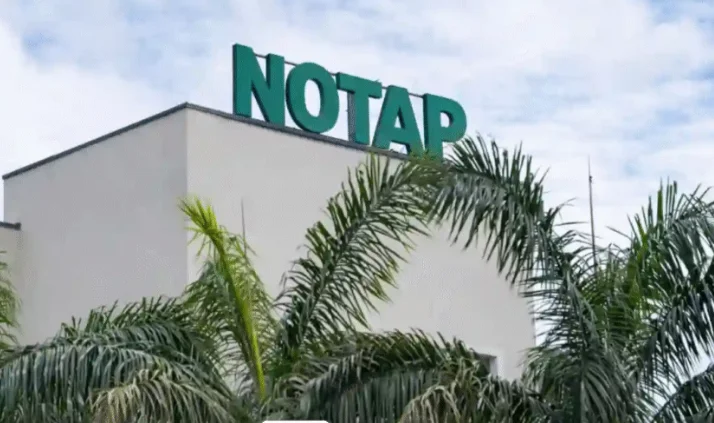
Nigerian software developers have generated more than $1 million in sales from locally developed applications sold across Nigeria and other African markets, according to the National Office for Technology Acquisition and Promotion (NOTAP).
The Director-General of NOTAP, Dr Obiageli Amadiobi, disclosed this in an interview with the News Agency of Nigeria (NAN) on Thursday in Abuja. She said the performance highlights how targeted government interventions can help turn local innovation into commercial success.
How NOTAP’s Interventions Drove Growth
According to Amadiobi, the growth recorded by Nigerian software developers was largely driven by deliberate NOTAP initiatives focused on:
- Capacity building
- Intellectual property (IP) protection
- Linking innovators to local and regional markets
She noted that many Nigerian developers previously struggled to move from ideas to scalable products because they failed to secure intellectual property rights early in the development process.
“Whether it’s a literary work, a laboratory invention, or a creative digital product, the process of bringing an idea to life demands immense time, skill, and dedication,” she said.
“An innovator might wake up with a solution to a pressing problem; spend months testing and refining it, and achieve remarkable results; so it is their fundamental right to patent that creation and claim ownership.”
Risks of Failing to Protect Intellectual Property
Amadiobi warned that failing to protect intellectual property exposes Nigerian innovations to exploitation.
“Without this protection, someone else could easily replicate their work; patent it in their name; and legally control what was built with Nigerian brainpower,” she added.
Breakdown of the $1 Million Software Revenue
The NOTAP Director-General revealed that the $1 million revenue was generated from over 50 locally developed applications, with individual developers earning between $5,000 and $80,000.
Some of the high-performing solutions include:
- A mobile health platform serving about 750,000 users across six states
- An agricultural marketplace connecting smallholder farmers directly to buyers
- An education technology tool adopted by 200 schools to improve learning outcomes
She added that about 60% of total sales came from other African countries, pointing to strong regional demand for Nigerian-built software solutions.
NOTAP Targets Doubling Software Sales by 2027
Amadiobi said NOTAP plans to double local software sales by 2027, with a strategic focus on high-growth sectors such as:
- Fintech
- Renewable energy management
- Climate adaptation and sustainability tools
Digital Piracy Remains a Major Threat
Despite the gains, she identified digital piracy and counterfeiting as major barriers to growth in Nigeria’s ICT sector.
“From copied software applications to replicated content on social platforms like TikTok, unauthorised duplication has become a major barrier to growth,” she said.
“We see talented young creators develop unique digital content or tools, only to watch others rebrand and profit from their work within weeks.”
She noted that many online creators with distinctive styles are often unaware that their work can be legally protected through intellectual property registration.
Local Vendor Policy Driving Long-Term Impact
These challenges, Amadiobi explained, informed NOTAP’s multi-pronged intervention strategy, with the Local Vendor Policy serving as a central pillar.
The policy requires foreign technology firms operating in Nigeria to:
- Partner with local technology companies
- Allocate a portion of their technical service fees to domestic vendors
According to her, the policy has enabled Nigerian developers to move beyond support roles for foreign firms into building their own competitive products.
Developers who were limited to support services just three years ago, she said, are now creating locally developed solutions capable of competing in regional and global markets.