Iran Conflict: Zinox Boss Pushes for Local Tech Manufacturing to Shield Nigeria from Global Shocks
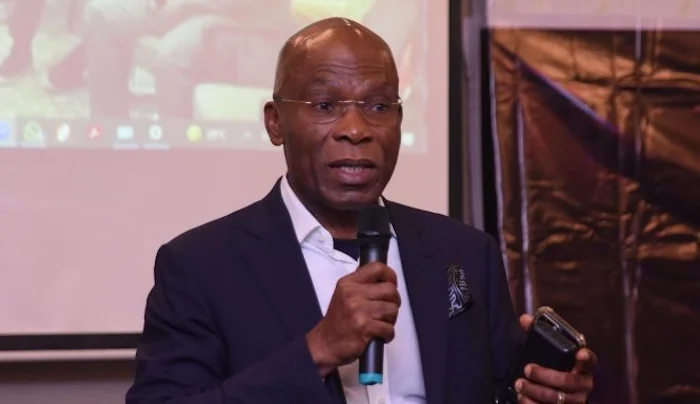
Amid rising global tensions linked to the US-Israel-Iran conflict escalation in 2026, the Chairman of Zinox Group, Leo Stan Ekeh, has called for urgent investment in Nigeria’s local technology capacity to reduce the country’s vulnerability to external economic shocks.
In a statement released on Wednesday, Ekeh warned that Nigeria’s heavy reliance on imports—particularly in the technology sector—has left the economy exposed to disruptions in global supply chains and energy markets triggered by international conflicts.
He noted that the recent escalation involving the United States, Israel, and Iran has driven crude oil prices above $100 per barrel, while fuel costs in Nigeria have surged by about 35 per cent, highlighting what he described as a “troubling paradox.”
Despite being a major crude oil producer and home to Africa’s largest privately-owned refinery, Nigeria continues to feel the impact of global energy shocks, Ekeh said, stressing that the ripple effects extend beyond fuel to sectors like technology that depend heavily on foreign imports.
According to him, Nigeria’s tech ecosystem provides a clear example of the risks associated with import dependence—and the opportunities that lie in building local capacity.
He pointed to Zinox Technologies as a model for what is possible, describing it as a pioneer in indigenous computer manufacturing that demonstrates the benefits of sustained investment in local production.
Ekeh urged stronger government and private sector support for homegrown firms, particularly in the assembly and manufacturing of computer hardware and digital devices. He said boosting local production would not only reduce pressure on foreign exchange but also create jobs, enhance skills transfer, and strengthen national technological capacity.
“Every locally assembled device represents a step away from foreign dependence,” he said, adding that Nigeria must shift from a consumption-driven economy to one focused on production and innovation.
Beyond economic gains, Ekeh emphasised the strategic importance of technology, describing it as both a commercial and national security asset. He noted that countries with control over their technology supply chains are better positioned to protect data, drive innovation, and remain competitive globally.
He added that developing local capacity would have a multiplier effect across industries such as logistics, retail, maintenance, and technical services, while also fostering entrepreneurship by making technology more accessible.
Ekeh warned that continued disruptions to global trade routes—such as potential closures affecting the Strait of Hormuz—could further expose import-dependent economies like Nigeria.
“The lesson from the current global crisis is clear,” he said. “Nations that build their own capacity will be more resilient, while those that rely on imports will bear the brunt of global instability.”
He concluded that Nigeria must embrace a new economic direction anchored on self-reliance, innovation, and sustainable growth, insisting that “the future belongs to economies that build, not just buy.”