African Defence Tech Startup Raises $11.75 Million to Tackle Insecurity
A fast-growing African defence technology startup has raised $11.75 million in fresh funding to address rising insecurity across the continent using homegrown autonomous security systems.
The company announced the milestone fundraising on Monday as it officially emerged from stealth, revealing plans to scale advanced defence technologies designed to protect critical infrastructure across Africa.
Funding Backed by Leading Global Investors
The funding round was led by U.S.-based venture capital firm 8VC, founded by Joe Lonsdale, with participation from Valour Equity Partners, Lux Capital, SV Angel, Leblon Capital, Silent Ventures, Nova Global, and angel investor Micky Malka. Alex Moore, Defence Partner at 8VC and a board director at Palantir, joined the startup’s board last year.
Building Africa’s First Defence Technology Prime
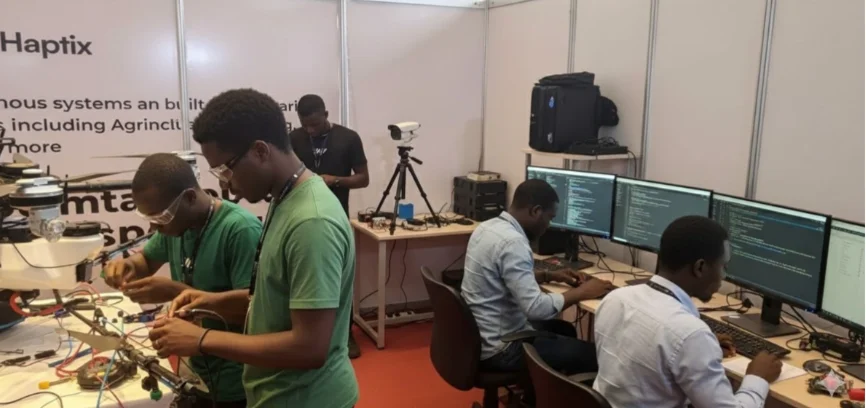
Founded in 2024 by 22-year-old Nathan Nwachuku and 24-year-old Maxwell Maduka, the company designs and manufactures autonomous defence systems that help governments and infrastructure operators monitor, secure, and respond to threats across land, air, and maritime environments.
According to the founders, Africa is entering a critical phase of industrialisation, with nearly $100 billion invested annually in infrastructure and the continent holding about 30% of global critical mineral reserves.
However, much of this infrastructure is located in remote and unstable regions, particularly across Sub-Saharan Africa and the Sahel, where terrorism, organised crime, and illegal resource extraction remain persistent threats.
“Africa is industrializing faster than any other region, with new mines, refineries, and power plants emerging every month,” said co-founder and CEO Nathan Nwachuku.
“But none of that progress will matter if we don’t solve the continent’s greatest Achilles heel — insecurity and terrorism.”
To close this gap, the startup says it is building Africa’s first vertically integrated defence technology platform, tailored specifically to the continent’s terrain, logistics constraints, and operating realities.
How the Technology Works
The company’s product suite includes:
- Long- and mid-range surveillance drones
- Autonomous sentry towers
- Unmanned ground vehicles
- Maritime surveillance and monitoring systems
All systems are powered by ArtemisOS, its proprietary software platform that enables real-time threat detection, autonomous mission planning, and coordinated responses across vast and difficult environments where traditional security models struggle to scale.
Growing Footprint Across Africa
The startup disclosed that it already secures infrastructure assets valued at approximately $11 billion across Africa, with tens of millions of dollars in signed contracts and a growing pipeline spanning both public and private sector clients.
Current deployments include:
- The Geometric Power Plant in Aba
- Two hydropower plants in northern Nigeria
- Gold and lithium mining operations in Nigeria and Ghana
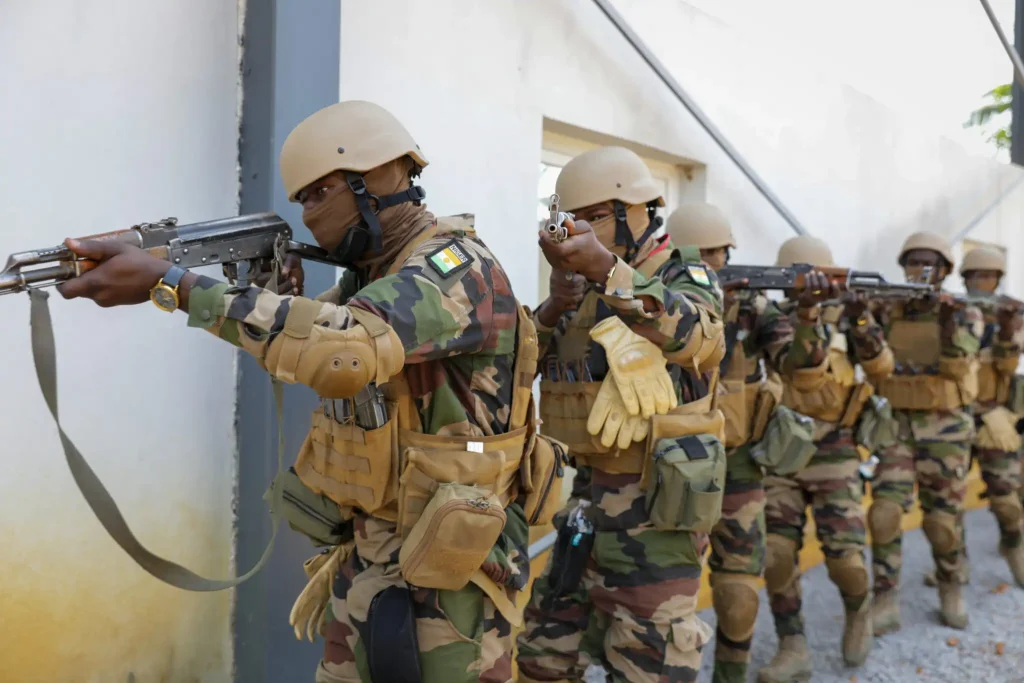
While initial contracts focus on infrastructure protection, the company says it is expanding into multinational border security and counterterrorism operations as regional instability intensifies.
New $1.2 Million Hydropower Security Contract
In a separate statement, the company revealed it has secured a $1.2 million, five-year security contract to protect two hydroelectric power plants in Nigeria. The deal represents its largest contract to date and its first deployment in the hydroelectric sector.
Why This Matters
Security remains one of the biggest threats to Africa’s industrial growth, affecting energy projects, mining operations, and cross-border trade.
Nigeria, in particular, is facing one of its most challenging security periods in decades, with rising cases of kidnappings and terrorist attacks. In response, President Bola Tinubu recently increased the Nigerian Police Force recruitment from 30,000 to 50,000 officers, citing escalating security concerns nationwide.
Technology-driven startups like this defence firm could play a critical role in complementing traditional security forces, offering scalable, data-driven solutions to protect infrastructure and stabilise economic growth.