
Airport Taxi Services Remain a Lucrative Business in Lagos
Airport transportation remains one of the most profitable segments for taxi operators in Lagos due to the steady inflow of travellers arriving from around the world. Many of these passengers are willing to pay premium fares for convenience, safety, and comfort, making airport routes highly competitive.
This profitability has attracted not only traditional airport taxi operators but also app-based ride-hailing companies seeking a share of the market.
Tensions Between Airport Taxis and E-Hailing Drivers
The growing presence of e-hailing services around Nigerian airports has frequently led to disputes with registered airport taxi operators, who argue that ride-hailing drivers encroach on their territory and threaten their earnings.
These tensions have often escalated into confrontations, prompting regulatory intervention and temporary service disruptions.
Passengers Increasingly Prefer E-Hailing Services
Despite the conflicts, many travellers report a preference for e-hailing services over airport taxis. This sentiment became particularly visible in 2024, following the suspension of airport taxi operations at Nnamdi Azikiwe International Airport in Abuja after internal disputes among taxi operators.
Several passengers said they felt more comfortable using ride-hailing apps such as Bolt and Uber, citing predictability, pricing transparency, and ease of use.
One frequent traveller described the situation as chaotic, noting that arranging discreet pickups with known ride-hailing drivers had become the easiest workaround.
Calls for FAAN to Allow E-Hailing Services at Airports
Passengers have since appealed to the Federal Airports Authority of Nigeria (FAAN) to formally allow e-hailing companies to operate alongside airport taxis once services resume fully.
Travellers believe that introducing competition would help curb high fares currently charged by airport taxis, which benefit from a near-monopoly on airport pickups.
Push for Separate Taxi Parks for Ride-Hailing Drivers
To address recurring clashes, e-hailing drivers proposed the creation of dedicated airport parks separate from those used by traditional taxi operators. While some argued that ride-hailing apps already function as “virtual parks,” FAAN eventually agreed to provide a physical space.
In 2022, FAAN announced plans to allocate a designated parking area for e-hailing drivers. However, ride-hailing companies were required to pay for access on behalf of their drivers.
Out of the major ride-hailing platforms operating in Nigeria, only Bolt agreed to the terms, making it the sole company with an officially recognised airport taxi park.
Strict Security and Biometric Requirements for Access
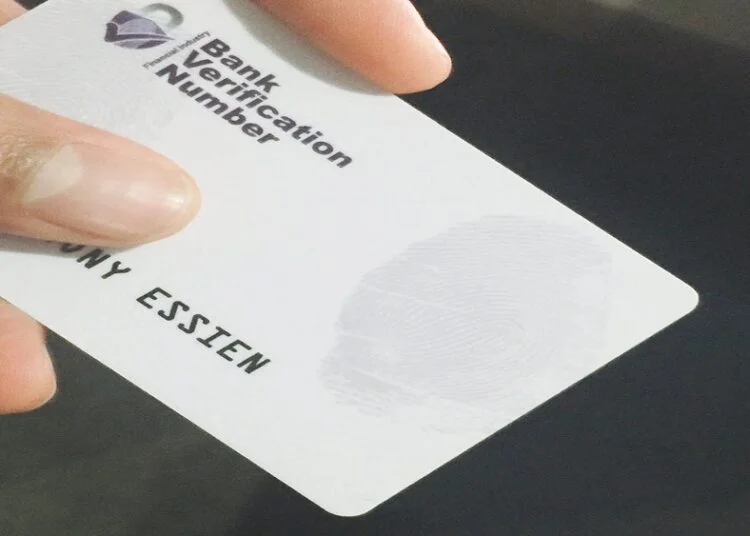
Access to the Bolt airport park comes with stringent security requirements. Drivers must undergo biometric verification, including fingerprint checks at the Federal Criminal Investigative Department (FCID), Alagbon Police Division in Ikoyi.
Upon completion, drivers receive a Police Character Certificate, which is submitted to the Directorate of Aviation Security (AVSEC). AVSEC then issues an official identification card, granting final approval to pick up passengers from the airport—mirroring the process used for traditional airport taxi operators.
Fee Controversy and Driver Protests in 2024
The Bolt airport park faced controversy in 2024 when FAAN proposed a ₦45,000 access fee for e-hailing drivers using airport facilities.
This move triggered protests by the Amalgamated Union of App-based Transporters of Nigeria (AUATON), which argued that the fee was excessive and unfair.
Following sustained protests, the proposal was shelved. Driver representatives later confirmed that aside from biometric verification, no usage fees are currently charged for the park.
Debate Over Bolt-Branded Vests
Another dispute emerged later in 2024 after reports that Bolt required drivers using the airport park to wear Bolt-branded reflective vests. This sparked backlash from drivers who operate across multiple platforms such as Uber, InDrive, and Rida.
Some drivers described the move as an attempt by Bolt to dominate the airport ride-hailing ecosystem. While a number of Bolt-exclusive drivers complied, others resisted.
Ultimately, driver leaders confirmed that wearing branded vests is not mandatory, and drivers are free to access the park regardless of attire.
A Shifting Landscape for Airport Transportation
The establishment of Bolt’s airport park marks a significant shift in Nigeria’s airport transport ecosystem. While traditional airport taxis continue to dominate, passenger preference, regulatory adjustments, and structured access for e-hailing drivers suggest a gradual move toward coexistence.
As demand for transparent, app-based mobility services grows, how FAAN balances competition, security, and fairness will likely shape the future of airport transportation in Nigeria.