
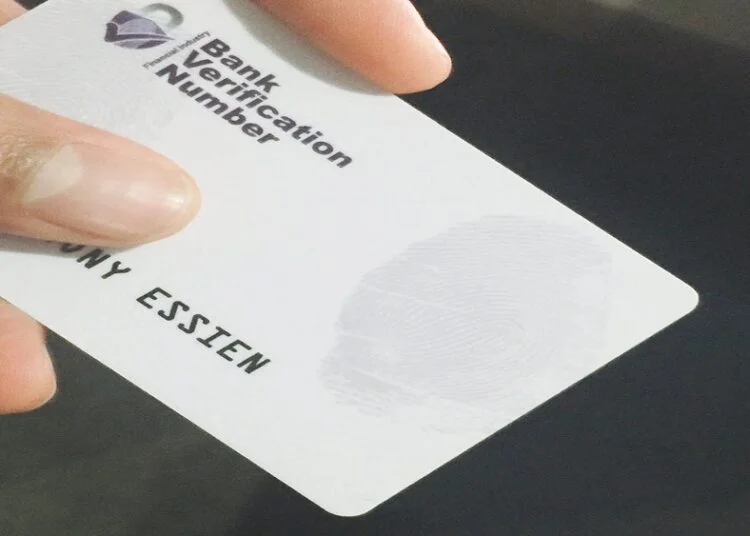
Nigeria’s digital finance ecosystem is set for a major regulatory shake-up as the Central Bank of Nigeria (CBN) introduces stricter governance rules for the Bank Verification Number (BVN), targeting rising fraud risks across the country’s fast-growing electronic payments space.
The revised framework, scheduled to take effect from May 1, 2026, is designed to strengthen identity security, close loopholes exploited by fraudsters, and align Nigeria with global Tier-1 technology and compliance standards.
Key Changes to BVN Framework
Under the new rules, BVN enrollment will be restricted strictly to individuals aged 18 and above, ensuring that only legally accountable adults are captured in the biometric identity system.
In addition, the CBN has introduced a “single-update” policy for phone numbers linked to BVN profiles. Customers will now be allowed to modify their registered phone number only once—a move aimed at blocking fraud schemes that rely on repeated changes to intercept One-Time Passwords (OTPs) and gain unauthorised access to accounts.
The apex bank is also tightening control over BVN data, reinforcing centralised oversight and limiting access to only licensed institutions operating under enhanced security protocols.
Tackling a Growing Fraud Threat
The reforms come amid concerns that fraud within Nigeria’s digital payments ecosystem—estimated at over ₦600 trillion in value—could spiral to as much as ₦1.2 trillion annually if vulnerabilities persist.
By eliminating “identity looping” tactics and strengthening biometric authentication, regulators hope to significantly reduce financial crimes and boost confidence in the system.
Aligning with Global Best Practices
Industry observers note that Nigeria’s updated BVN framework reflects a broader global shift toward biometric-led identity systems and stricter transaction safeguards.
Countries such as India have strengthened their Aadhaar system with virtual IDs and biometric locks to combat identity fraud, while the United Kingdom has implemented Confirmation of Payee protocols to verify transactions in real time.
Similarly, Brazil has introduced transaction limits and enhanced authentication measures to reduce digital theft and kidnapping-related fraud.
The CBN’s approach mirrors these strategies by deliberately adding “friction” to the system—prioritising security over convenience.
Implications for Fintech and Consumers
For Nigeria’s fintech ecosystem, the tighter BVN rules are expected to improve the quality of Know Your Customer (KYC) data, strengthen compliance frameworks, and enhance investor confidence.
Consumers, on the other hand, are likely to experience a more secure—though less flexible—banking environment, with stricter controls around identity updates.
Building Trust in the Digital Economy
Analysts say the reforms go beyond fraud prevention. By aligning with global standards, Nigeria is positioning its financial system to gain greater international trust and credibility.
As digital transactions continue to surge, the success of the new BVN framework will depend on effective implementation, public awareness, and sustained collaboration between regulators and industry players.
The move signals a decisive shift by the CBN to safeguard Nigeria’s digital economy at a critical stage of its growth.