Changpeng Zhao Faces Scrutiny as Report Links Binance Transactions to Hamas Funding
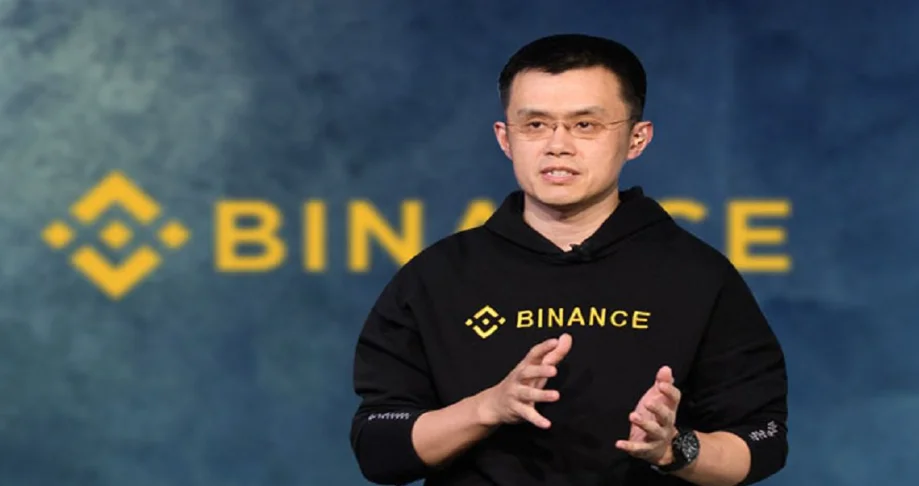
Changpeng Zhao, the founder and former CEO of Binance, is under renewed scrutiny after a recent report alleged that his cryptocurrency exchange may have facilitated payments to Hamas, the Palestinian militant group. According to the report, certain transactions on the platform were linked to activities associated with the organisation. Neither Zhao nor Binance has publicly responded to the claims.
If confirmed, the allegations would mark one of the most notable instances of a major cryptocurrency exchange being tied to geopolitical conflict financing. Binance—one of the world’s largest crypto trading platforms—handles billions of dollars in daily transactions and has previously faced regulatory pressure in multiple countries over compliance and anti-money laundering (AML) protocols.
Although no formal charges have been filed, the claims have drawn the attention of regulators, investors, and millions of users who rely on Binance for trading and investment services. Industry analysts note that even unverified accusations can severely affect the reputation and market position of a crypto platform.
Cryptocurrency exchanges operate within stringent global regulatory frameworks designed to prevent illicit financial activity. Any suggestion that Binance may have been used to transfer funds to groups designated as terrorist organisations could prompt investigations and enforcement actions from authorities in the U.S., Europe, and Asia.
Zhao’s leadership and Binance’s compliance standards are expected to come under closer review. Regulators may demand evidence that the exchange adheres strictly to AML and counter-terrorist financing (CTF) requirements. Any lapses could result in financial penalties, operational restrictions, or even suspension of services in some jurisdictions.
The situation raises broader concerns for users, investors, and business partners about the protection of funds and the transparency of crypto transactions. It also underscores the growing debate around how digital asset platforms can prevent misuse without undermining the principles of decentralised finance.
The allegations may influence Binance’s global operational strategies, existing partnerships, and future expansion plans. Already, exchanges worldwide are feeling increased pressure to strengthen their compliance frameworks. A controversy of this scale may drive other platforms to reassess and tighten their internal controls and reporting mechanisms.
Public confidence in cryptocurrencies as secure, well-regulated investment options may also be affected. Governments could leverage the situation to justify stricter rules and elevated oversight of digital asset markets. For Zhao, the report threatens to damage his standing and influence within the crypto sector.
As the situation unfolds, regulators and industry observers will closely monitor Binance. The outcome could shape future cryptocurrency governance, highlighting the ongoing challenge of balancing innovation with security, transparency, and legal compliance.