MTN and Airtel Lose About $7 Million Following Uganda Internet Shutdown
Mobile network operators MTN and Airtel reportedly lost an estimated $7 million (UGX 24 billion) in data revenue following a four-day internet shutdown in Uganda, according to a report by CEO EastAfrica Media.
The development underscores the financial impact of internet shutdowns, not only on citizens and businesses but also on telecom operators whose revenues depend heavily on data usage.
Economic and Social Impact of the Shutdown
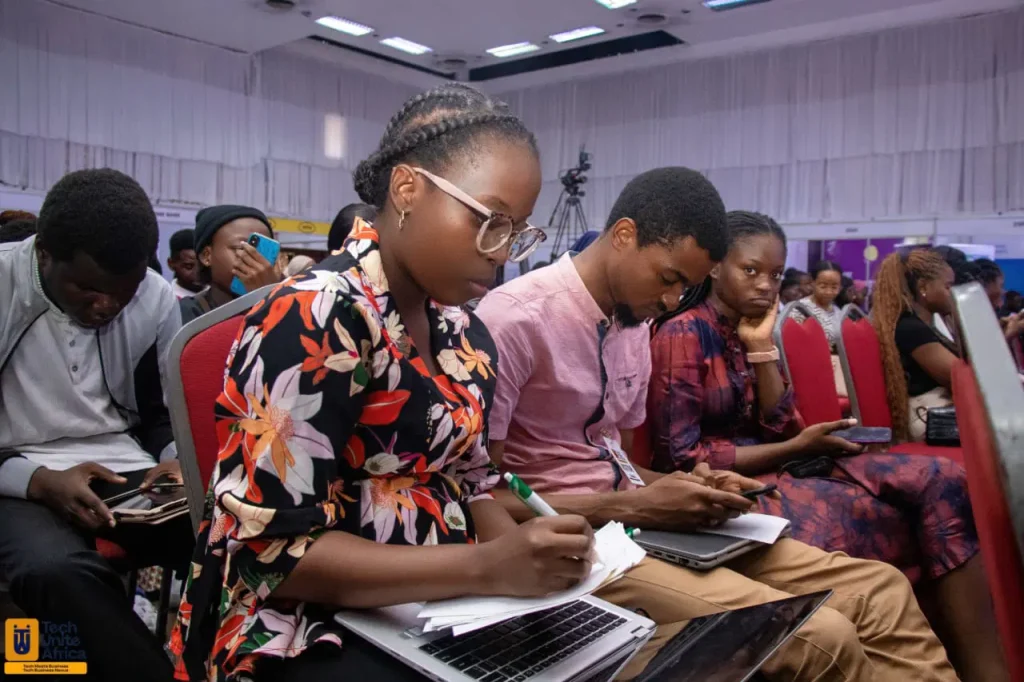
During the blackout, millions of Ugandans were unable to access social media platforms or carry out digital financial transactions, leading to widespread frustration and public backlash.
The disruption affected everyday activities such as mobile banking, online payments, communication, and access to information, demonstrating how deeply internet connectivity is embedded in daily life and economic activity.
Government Restores Social Media Access
The losses come as Ugandan authorities announced the full restoration of access to all social media platforms, ending restrictions imposed during the country’s recent general elections.
The announcement was made on Monday by General Muhoozi Kainerugaba, Uganda’s Chief of Defence Force, via a post on X (formerly Twitter). The restoration occurred 13 days after the Uganda Communications Commission (UCC) ordered an internet blackout two days before the January 15 elections.
“We are releasing all social media today. I thank all the great people of Uganda for their support and cooperation throughout this electoral season,” Muhoozi said, adding that citizens’ compliance helped maintain order during the polls.
MTN Confirms Full Internet Restoration
Confirming the development, MTN Uganda announced on X that internet services had been fully restored. “Y’ello, our dear customers. Internet services are fully restored. You can now get back to what you love on WhatsApp, X (Twitter) and TikTok,” the company said.
With the restrictions lifted, Ugandans can now freely access WhatsApp, Facebook, Instagram, TikTok, X, and other social and messaging platforms.
Phased Restoration of Internet Services
The lifting of social media restrictions marks the final phase of Uganda’s gradual restoration of full internet access. Five days after the initial shutdown, the government restored general internet access while keeping social media and OTT messaging apps restricted. Essential services such as web browsing, news sites, educational platforms, government portals, email, and financial services were made available during this phase.
Two days later, MTN confirmed the restoration of mobile money services, allowing users to resume deposits, withdrawals, and other financial transactions.
“Kindly note that Mobile Money services have been restored. Please proceed with your transactions and share your feedback,” MTN said in a message to customers.
Why the Shutdown Was Imposed
Reacting to public criticism, UCC Executive Director Nyombi Thembo said the internet restrictions were introduced to curb misinformation and maintain security amid rising political tensions ahead of the elections. According to him, the decision was aimed at ensuring a peaceful electoral process and safeguarding public order.
Conclusion
While authorities argue that internet shutdowns help preserve security during sensitive periods, the Uganda case highlights the high economic cost of such measures. With MTN and Airtel alone losing an estimated $7 million in data revenue, the shutdown underscores how digital disruptions can hurt telecom operators, businesses, and citizens alike.