
NIBSS Explores Offline Payments to Reach Nigerians With Limited Data Access
The Nigeria Inter-Bank Settlement System (NIBSS) is exploring offline payment solutions aimed at expanding financial inclusion for Nigerians with limited or no access to mobile data.
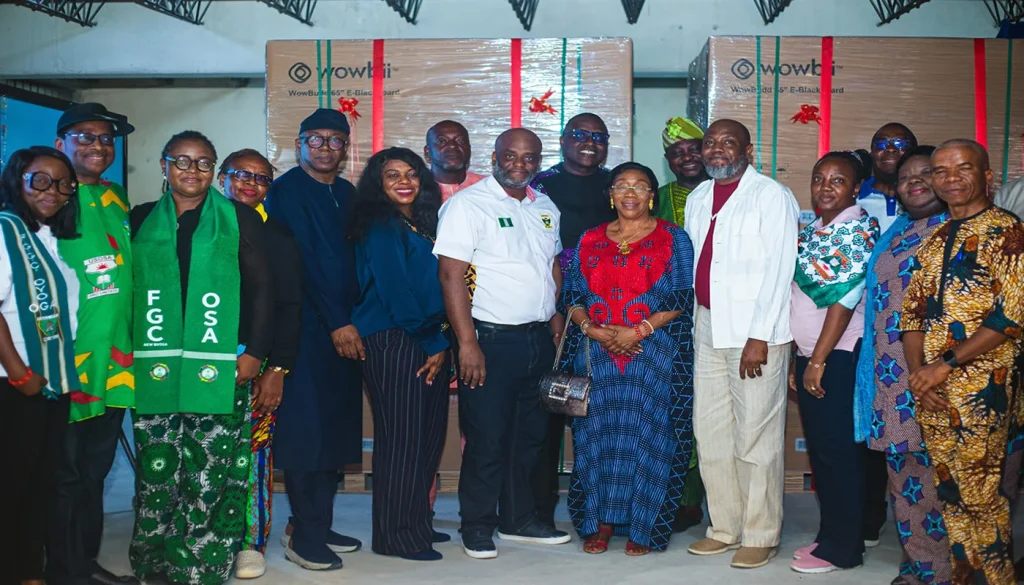
NIBSS Executive Director, Business and Products, Ngover Nwankwo, disclosed this on Friday, January 23, 2026, at the 2026 CHBO Conference held in Lagos. She said the initiative is part of efforts to ensure broader participation in Nigeria’s growing digital payments ecosystem.
According to Nwankwo, the rapid expansion of digital payments must be matched with deliberate inclusion strategies so that innovation does not exclude millions of Nigerians.
“Our focus is balancing innovation with inclusion, ensuring no Nigerian is left behind as digital payment adoption grows,” she said.
Cash Still Critical to Nigeria’s Economy
Nwankwo emphasised that cash remains a vital component of Nigeria’s economy and cannot be entirely phased out. She noted that both cash and digital payments must coexist to protect those who depend heavily on cash while still offering secure and efficient services to digital users.
She also commended Nigerian banks for improvements in cash operations, noting that cash availability during December 2025 was largely seamless, with minimal public complaints.
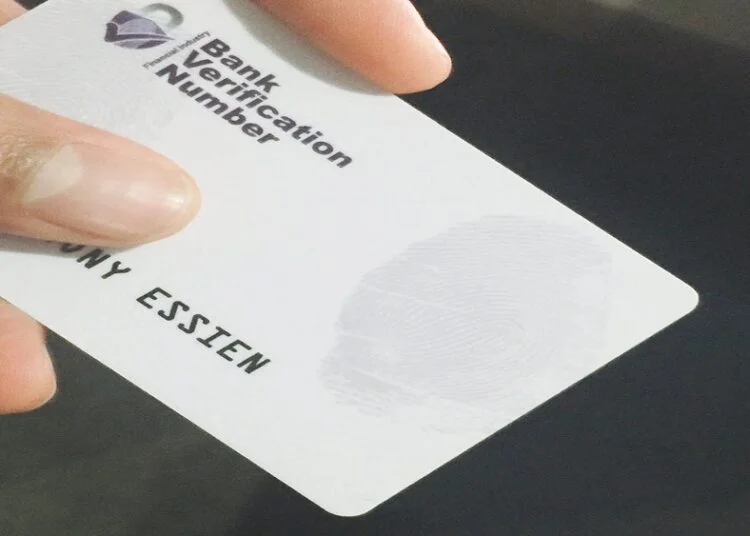
Nwankwo highlighted recent innovations such as biometric authentication, which allows customers to request and verify bank cards using fingerprints, reducing the need for extensive documentation.
Experts Warn Against Excess Cash Outside Banks
Presenting a paper at the conference, Lloyd Onaghinon, Managing Director of Bankers Warehouse Plc, reinforced the continued importance of cash, even as electronic payments expand rapidly.
“Globally, cash usage continues to grow, driven by culture, demographics, trust and financial inclusion,” Onaghinon said.
However, he warned that excessive cash circulating outside the banking system undermines financial intermediation and weakens the effectiveness of monetary policy. He called for stronger collaboration among regulators, banks, and other stakeholders to balance cash, electronic payments, and emerging digital currencies while rebuilding public trust.
CBN Urges Banks to Partner with Fintechs
Delivering a goodwill message, Solaja Olayemi, Director at the Central Bank of Nigeria (CBN), urged banks to collaborate more closely with fintech companies and microfinance institutions to formalise idle cash in the economy.
Olayemi disclosed that about 90 percent of Nigeria’s cash remains outside the banking system, noting that fintechs and technology-driven microfinance institutions have wider agent networks, especially in underserved and rural areas.
He added that fintechs such as Moniepoint, OPay, and Kuda have obtained national licences, with several others currently undergoing the licensing process.
Digital Payments Grow, But Access Gaps Persist
Nigeria’s payments landscape has shifted rapidly toward digital channels in recent years. Electronic payments in the first quarter of 2025 reached ₦284.9 trillion, up from ₦234.4 trillion recorded in the same period the previous year.
This growth has been driven largely by real-time transfers across internet banking platforms, mobile apps, USSD, POS terminals, ATMs, and other digital channels.
Despite this progress, millions of Nigerians still face barriers to fully participating in the digital economy. Many continue to rely on basic mobile phones rather than data-dependent smartphones.
Offline and low-data payment solutions could help bridge this divide, allowing users to transact without constant internet connectivity and ensuring more inclusive access to financial services across the country.