
The Federal Government has projected a major turnaround in Nigeria’s digital infrastructure by 2027, as large-scale investments in connectivity, fibre optics, satellites and rural network expansion begin to yield results.
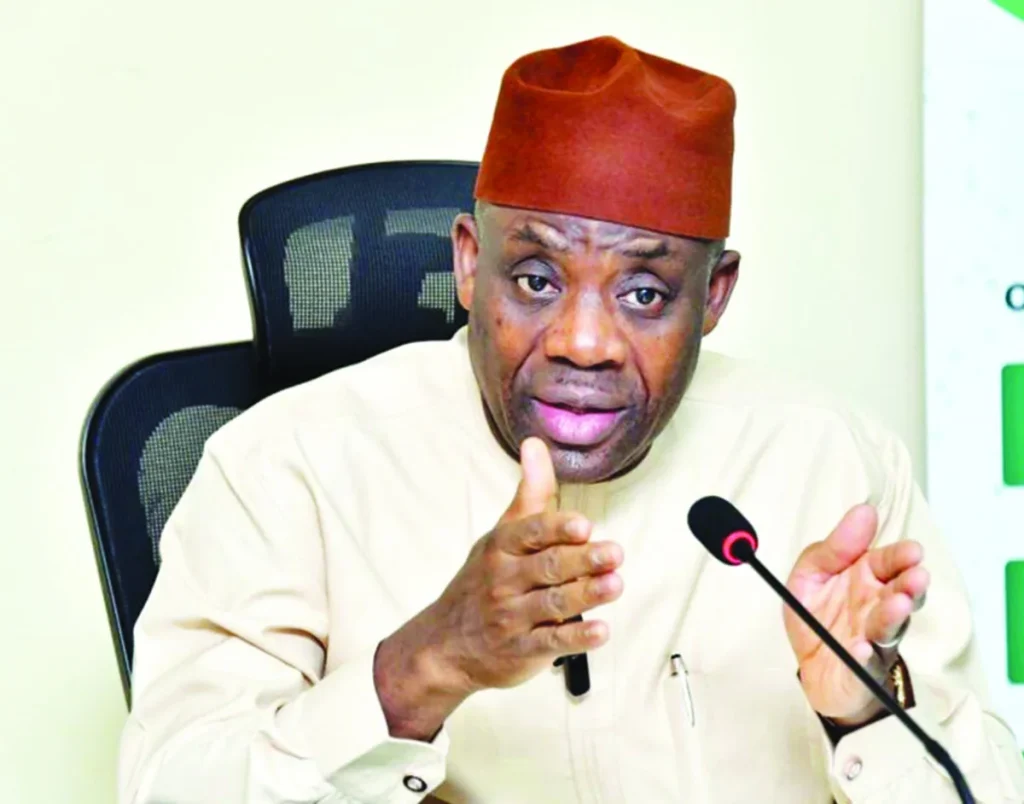
Minister of Communications, Innovation and Digital Economy, Dr Bosun Tijani, disclosed this on Wednesday during an interview with journalists on the sidelines of the Flagship Nigeria: Electrification + Connectivity Convening held in Abuja.
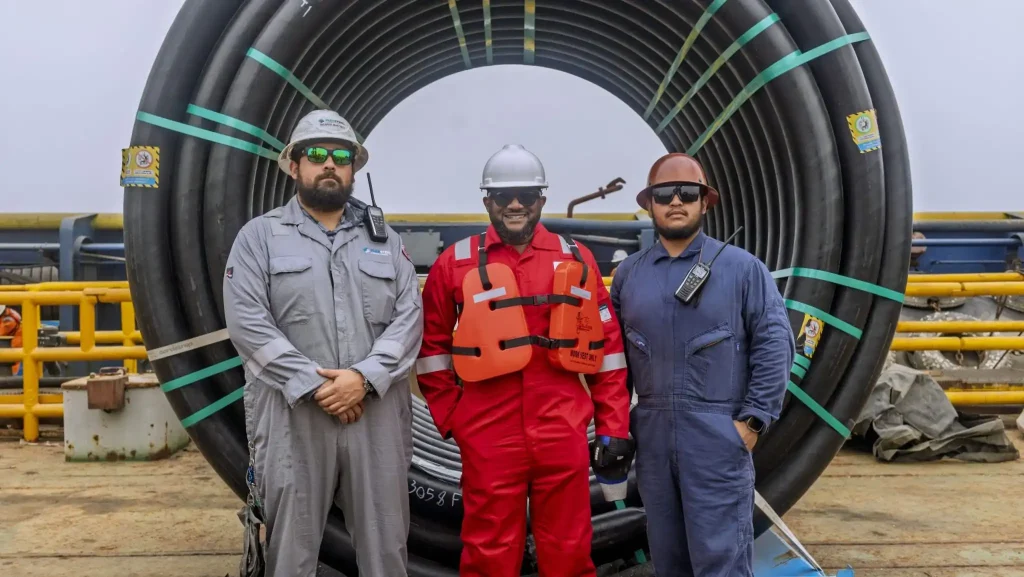
Tijani said the government is currently investing in over 90,000 kilometres of fibre-optic cables, procuring new communication satellites and deploying about 3,700 additional rural telecom towers to improve nationwide digital access.
According to him, the initiatives—supported by the World Bank—are expected to significantly boost broadband penetration and service quality, with far-reaching effects across education, healthcare, security, commerce and other key sectors of the economy.
“The quality of access depends on the quality of infrastructure investment, which we have not done at scale in many years,” the minister said. “But that is about to change. In the next couple of years, and even in the coming months, Nigerians will begin to experience improved access as these investments come alive.”
He noted that the infrastructure rollout is expected to connect about 20 million Nigerians who currently lack internet access at home, particularly in rural and hard-to-reach communities.
Tijani also confirmed that President Bola Tinubu has approved the procurement of new satellites to replace ageing ones, describing satellite connectivity as critical for reaching remote locations where terrestrial infrastructure is difficult to deploy.
“Satellite is one of the most effective ways to connect rural and difficult terrains, and that approval is already in place,” he said.
Beyond physical infrastructure, the minister stressed the importance of digital skills development, pointing to the ongoing 3 Million Technical Talent (3MTT) programme and new AI-driven, local-language training initiatives designed to help Nigerians fully utilise the expanding digital ecosystem.
Also speaking at the event, Chief Executive Officer of the Partnership for Digital Access in Africa, Ibrahima Guimba-Saidou, said unreliable electricity remains a major barrier to meaningful digital inclusion across Africa.
“This is about making connectivity relevant to the people who need it most, not just those in major cities,” he said.
Similarly, the World Bank Country Director for Nigeria, Mathew Verghis, emphasised that digital inclusion depends on three interconnected pillars—reliable power supply, broadband infrastructure and affordable devices—warning that progress in one area without the others would limit overall impact.
Verghis reaffirmed the World Bank’s commitment to supporting Nigeria through partnerships aimed at delivering tangible benefits from combined power and broadband expansion.
The digital infrastructure push aligns with the Federal Government’s broader digital economy strategy, including the 3MTT programme, which targets the training of three million Nigerians in tech-enabled skills. So far, 300,000 participants have been enrolled across two cohorts, representing 10 per cent of the programme’s target.
In addition, the government announced in 2025 a N12 billion investment in digital economy research, to be deployed across three research clusters hosted by six universities nationwide, as part of efforts to strengthen Nigeria’s innovation capacity.
Together, the infrastructure expansion, skills development and research investments are expected to position Nigeria as a leading digital economy in Africa by the end of the decade.