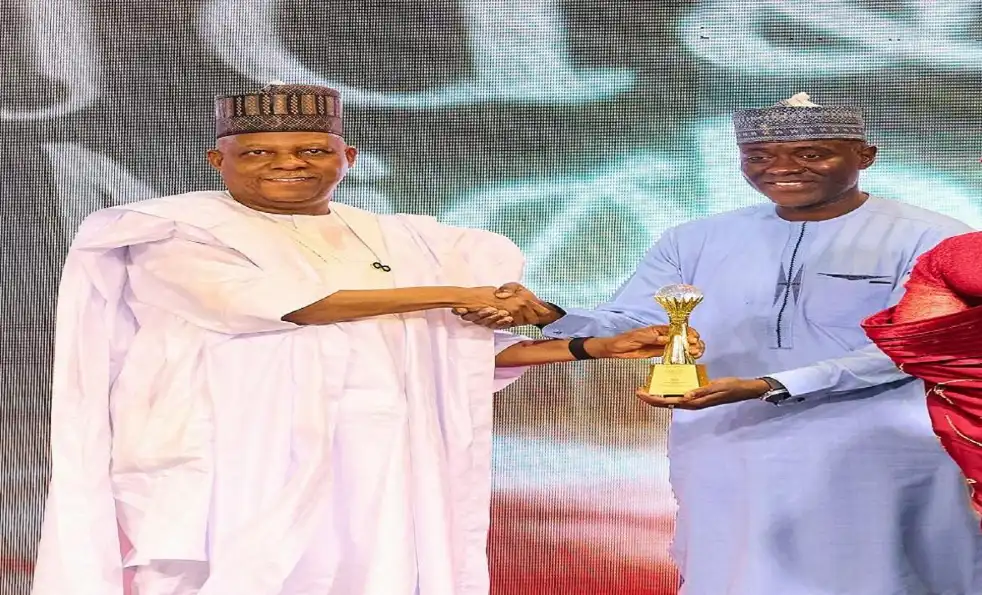

Africa’s industrial landscape is undergoing a dramatic transformation, where robotics and automation are no longer futuristic concepts but the backbone of growth. From manufacturing floors to logistics hubs and energy plants, automation is driving efficiency, scalability, and global competitiveness. Yet with this promise comes a critical challenge: ensuring that technology is not just adopted but embedded sustainably into the continent’s economic DNA. For Adedayo Jigida, one of Africa’s leading voices in robotics engineering, this is the mission that defines his work.
His influence extends beyond designing advanced robotics systems for factories. Jigida has become deeply involved in shaping the policies and standards that guide how African businesses integrate automation responsibly.
Through cross-sector forums and advisory roles, he has contributed to frameworks addressing Africa’s unique challenges, ranging from inconsistent infrastructure to the complexities of scaling industrial systems across diverse markets. By advocating for regulations that balance innovation with accountability, he ensures that the continent’s embrace of automation keeps pace with both opportunity and responsibility.
Equally central to his vision is mentorship. Recognizing that the talent pipeline remains one of Africa’s most pressing hurdles, he dedicates time to nurturing the next generation of robotics engineers and industrial innovators.
Through mentorship programs, guest lectures, and one-on-one coaching, he instills not only technical skills but also the systems-thinking mindset required to build scalable, future-ready industries. Many of his mentees now lead automation teams in manufacturing, logistics, and energy, sectors critical to Africa’s economic resilience.
Another cornerstone of his advocacy is pan-African collaboration. He has repeatedly argued that just as supply chains and industrial challenges cross borders, so too must the solutions. He envisions a continent-wide ecosystem where private companies, governments, and research institutions share innovation, best practices, and real-time industrial intelligence. Such collaboration, in his view, is the only way to accelerate Africa’s industrial competitiveness on a global scale while minimizing costly fragmentation.
The economic stakes could not be clearer. For Jigida, robotics will play a defining role in Africa’s ability to attract and retain global investment. His long-term vision is to see automation designed into projects from the very beginning, whether it’s a manufacturing plant in Lagos, a renewable energy installation in Nairobi, or an agri-tech processing hub in Accra. To him, resilience is not simply about machines performing tasks; it is about enabling entire industries to grow with confidence, knowing their systems can withstand both present challenges and future shocks.
For Africa to fully realize its potential in the Fourth Industrial Revolution, leaders like him are indispensable. His work demonstrates that robotics is not just about speed or efficiency, it is about building a resilient, innovative economy that inspires investor trust, creates opportunities, and sets the stage for decades of sustainable growth. In his vision, Africa’s future will not merely adopt automation; it will define it.