
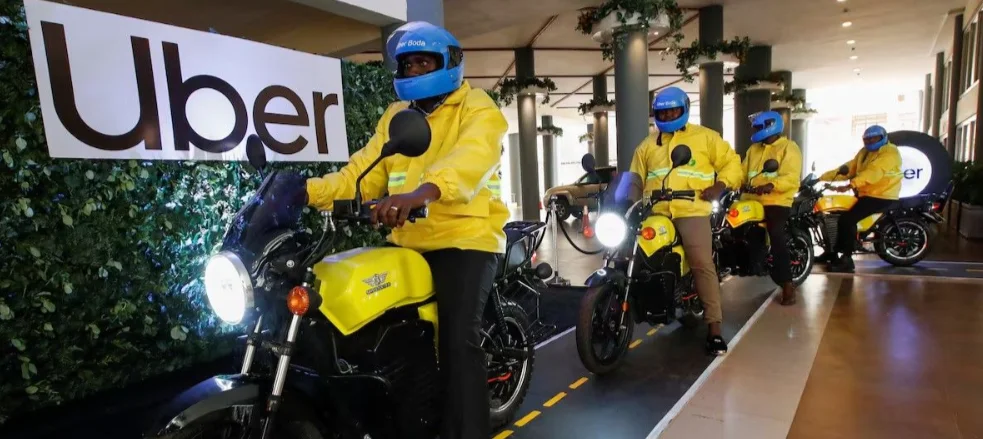
Uber Explores Electric Bikes for Moto Service in South Africa as Demand for Low-Cost Transport Surges
Uber is considering adding electric bikes (e-bikes) to its growing Moto service in South Africa as demand for low-cost, efficient mobility continues to rise across major cities. The company confirmed it is evaluating how e-bikes could integrate into its current two-wheel offering, which has expanded significantly over the past year.
The move comes amid increasing adoption of motorcycles for short-distance travel as commuters seek cheaper and faster alternatives to car-based transport, especially in areas overwhelmed by traffic and rising fuel costs.
Uber Moto Sees Strong Uptake Across Urban Communities
Launched as a budget-friendly mobility solution, Uber Moto has gained traction in high-density communities and townships where riders rely heavily on two-wheel transport for quick errands, market trips, and inter-neighbourhood travel.
Uber’s South African team revealed it is testing several electric bike models internally to determine how they could improve:
- Reliability
- Pricing stability
- Fleet availability
The company believes e-bikes could significantly reduce operational costs, enabling more consistent fares and increasing accessibility for everyday riders.
Why Electric Bikes? Lower Costs, Higher Efficiency
Introducing electric bikes to Uber Moto could offer multiple advantages:
Cost Reductions
E-bikes require less maintenance and eliminate fuel expenses, allowing Uber to operate a larger, more efficient fleet at lower long-term costs.
More Predictable Fares
With fuel price fluctuations affecting transport costs nationwide, e-bikes could help keep Moto fares stable and predictable.
Improved Driver Operations
Electric models could improve daily operations for drivers by reducing:
- Fuel stops
- Breakdown frequency
- Overall maintenance time
This would increase driver uptime and improve trip availability during peak hours.
Challenges Uber Must Solve Before Rollout
Despite the potential benefits, Uber still faces several operational hurdles before electric bikes can be introduced at scale. Key considerations include:
- Charging and battery-swap stations in high-demand zones
- Financing options for drivers to acquire e-bikes
- Managing battery range for long working hours
- Safety standards for electric two-wheelers on major roads
- Training riders on battery care and basic maintenance
Infrastructure remains the biggest challenge, as South Africa lacks widespread charging facilities specifically designed for two-wheel electric mobility.
A Possible Boost for Short-Distance Urban Mobility
If successfully deployed, electric bikes could further boost short-distance travel within suburbs and urban corridors where motorcycle taxis are already popular. For city authorities, a shift toward e-bikes may also help reduce:
- Noise pollution
- Carbon emissions
- Traffic congestion
This aligns with broader sustainability goals for South African cities.
No Launch Timeline Yet, but Assessments Ongoing
Uber has not yet announced a timeline for deployment, but the company confirmed that consultations and internal assessments are ongoing as it evaluates how electric mobility fits into its long-term strategy in South Africa.
As demand for affordable, efficient transport solutions grows, the introduction of electric bikes could represent a major transformation in the country’s two-wheel mobility ecosystem.