West Africa Stablecoin Summit 2025: How Digital Dollars Are Transforming Payments for Nigerians
If you’ve ever sent money to a loved one abroad or received funds yourself, you already understand the frustration. High fees. Delayed transfers. Exchange rates that never seem to favour you. These challenges are exactly why stablecoins have become one of the hottest topics in finance today.
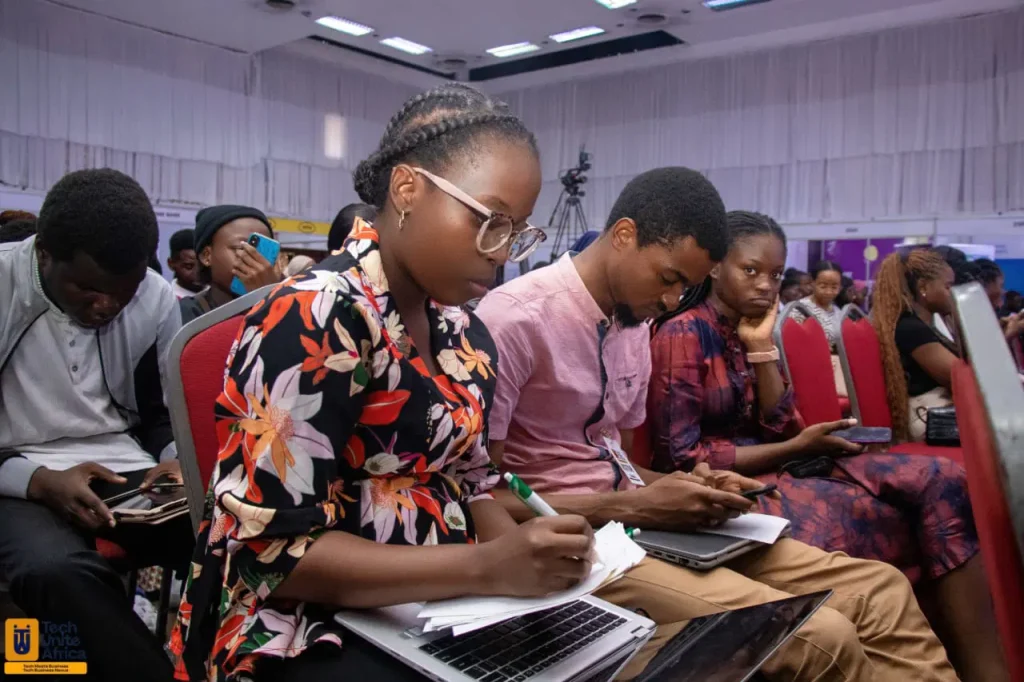
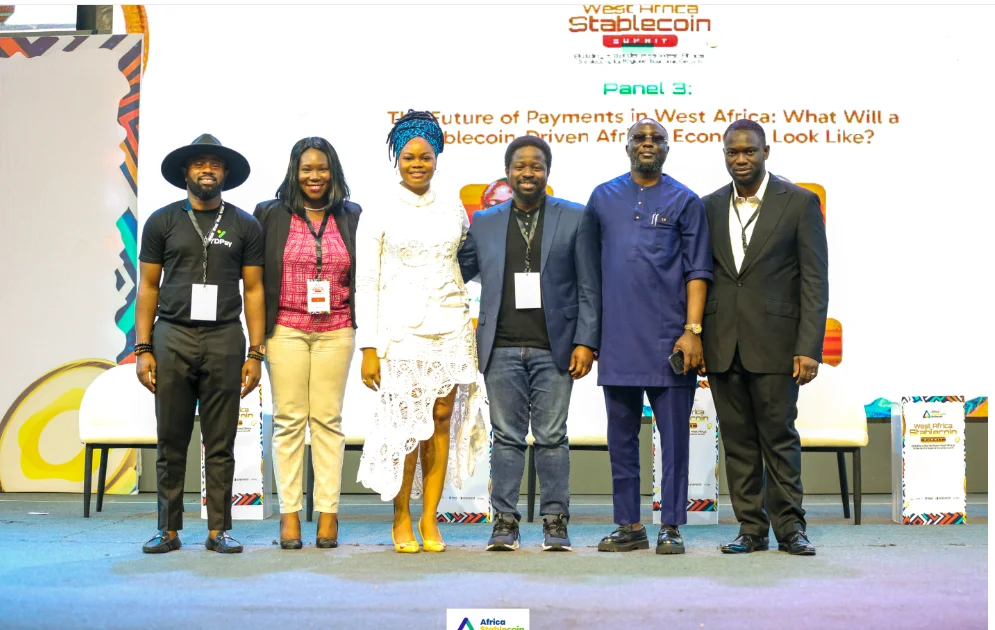
Last week, those frustrations brought hundreds of policymakers, founders, and financial experts to Abuja for the West Africa Stablecoin Summit (WASS) 2025. Their collective mission was simple but ambitious:
to explore how stablecoins, digital currencies pegged to the US dollar, can deliver cheaper, faster, and fairer financial services for Africans.
Nigeria Leads Africa’s Stablecoin Explosion
The numbers reveal the scale of the shift. Between July 2023 and June 2024, Nigeria processed nearly $22 billion in stablecoin transactions, solidifying its position as Africa’s largest stablecoin market.
Meanwhile, sending money to Sub-Saharan Africa via traditional channels still costs an average of 8.37%, the highest remittance fee globally. For someone receiving $200 from a relative in London, that means nearly $17 lost to intermediaries.
“Stablecoins change everything,” said Hammed Afenifere, CEO of Oneremit.
“You pay a supplier today, they receive it today, without any bank in between.”
He highlighted how digital currencies enable instant cross-border transactions, slashing costs for families, freelancers, and businesses alike.
Summit Highlights: New Products, Bold Policies
Hosted by the Africa Stablecoin Network at Aduvie Hall in Jahi, the event blended policy discussions, industry insights, and new product unveilings.
YDPay Launches: A New Way to Swap Naira and Stablecoins
The biggest announcement came from YDPay, a new platform aimed at making the conversion between naira and stablecoins as seamless as online banking.
“Money had to go digital,” said Chike Okonkwo, YDPay’s Marketing Manager.
“And with stablecoins, money became more digital.”
He warned that financial professionals who overlook stablecoins risk “leaving a lot of money on the table.”
Nigeria’s Regulatory Edge: The First in Africa to Legalise Stablecoins
Nigeria’s newly enacted Investment and Securities Act 2025 makes it the first African nation to formally regulate stablecoins. This marks a major shift from earlier policies, such as the Central Bank’s crypto ban, lifted in late 2023, which had forced most trading onto peer-to-peer platforms.
But with regulation comes new challenges.
According to Gbenga Omosuyi of Sphere Labs, even advanced economies like the United States are still wrestling with the complexities of yield-bearing stablecoins, tokens that pay interest.
“Regulation has to catch up,” he noted.
A Future Built on Digital Money
Setting the tone for the summit, President Nathaniel Luz emphasised that the digital money revolution is already underway.
“The future is being written, and it is being written right here, right now.”
He reminded attendees that private currencies have existed long before Bitcoin—but never with today’s reach, speed, and smartphone-driven adoption.
Why Stablecoins Matter for Everyday Nigerians
For millions navigating inflation that crossed 30% earlier in 2025, stablecoins are more than a technological trend. They are a lifeline.
- A way to store value in dollars when physical cash is scarce.
- A solution for freelancers receiving payments without excessive conversion fees.
- A tool for traders importing goods from China without slow and expensive SWIFT processes.
As Obinna Iwuno, President of SiBAN, put it:
“This conference is a need whose time has come.”