Nigeria has stepped up efforts to combat tuberculosis (TB), rolling out community-driven strategies and new diagnostic technologies as the country continues to record more than 510,000 cases annually.
The renewed push was highlighted at a pre-World TB Day press briefing in Abuja, where health officials and stakeholders called for urgent action to curb the disease despite ongoing progress.
Nigeria remains Africa’s highest TB-burdened nation and ranks sixth globally, with an incidence rate of 219 cases per 100,000 people—accounting for about 20 per cent of the continent’s total TB cases.
Public health experts at the briefing stressed that tuberculosis is both preventable and curable, with standard treatment lasting between six and nine months. However, drug-resistant strains continue to pose a significant challenge, often requiring longer and more complex care.
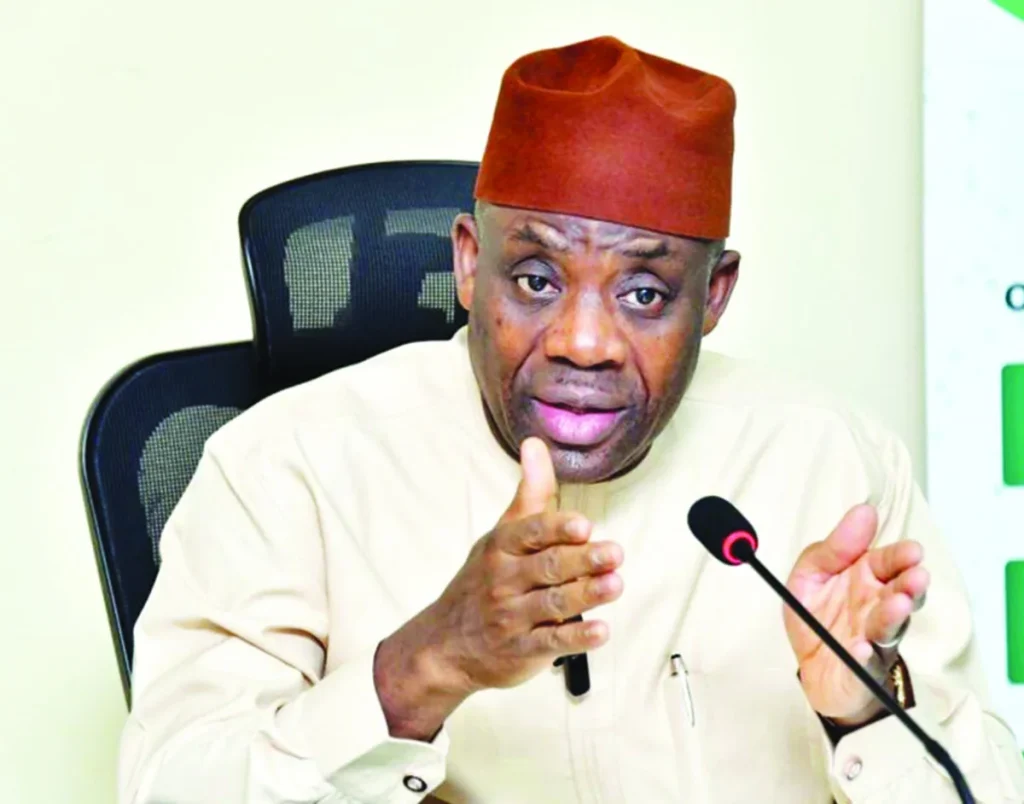
Speaking at the event, Charles Nzelu, Director of Public Health at the Federal Ministry of Health and Social Welfare, said Nigeria has made measurable progress under its National Strategic Plan (2021–2026), particularly in increasing case detection and reporting.
Despite these gains, he acknowledged that the country still faces a heavy TB burden, underscoring the need for sustained innovation and stronger healthcare systems.
A key part of the response is being driven by the National Tuberculosis and Leprosy Control Programme (NTBLCP), which is spearheading the nationwide deployment of more than 1,000 Pluslife Mini Dock diagnostic platforms. The devices are designed to expand access to rapid molecular testing, especially in hard-to-reach and underserved communities.
Describing the technology as transformative, Nzelu said it would help bridge gaps in diagnosis and ensure equitable access to care. “This near-point-of-care technology is a game-changer, ensuring that no Nigerian is left behind due to geography,” he noted.
In addition, authorities are strengthening electronic reporting systems to enable real-time tracking of TB cases, improve supply chain efficiency, and prevent shortages of essential medicines.
Stakeholders at the briefing emphasised that scaling up community engagement, boosting domestic funding, and leveraging technology will be critical to Nigeria’s goal of eliminating tuberculosis in the coming years.