Telecom operators have confirmed that Deposit Money Banks (DMBs) have fully settled the long-running Unstructured Supplementary Service Data (USSD) debt, bringing an end to a dispute that dragged on for nearly five years.
The operators, under the umbrella of the Association of Licensed Telecom Operators of Nigeria (ALTON), said all outstanding obligations—estimated at about N300 billion—have now been paid, leaving no bank indebted to telecom service providers.
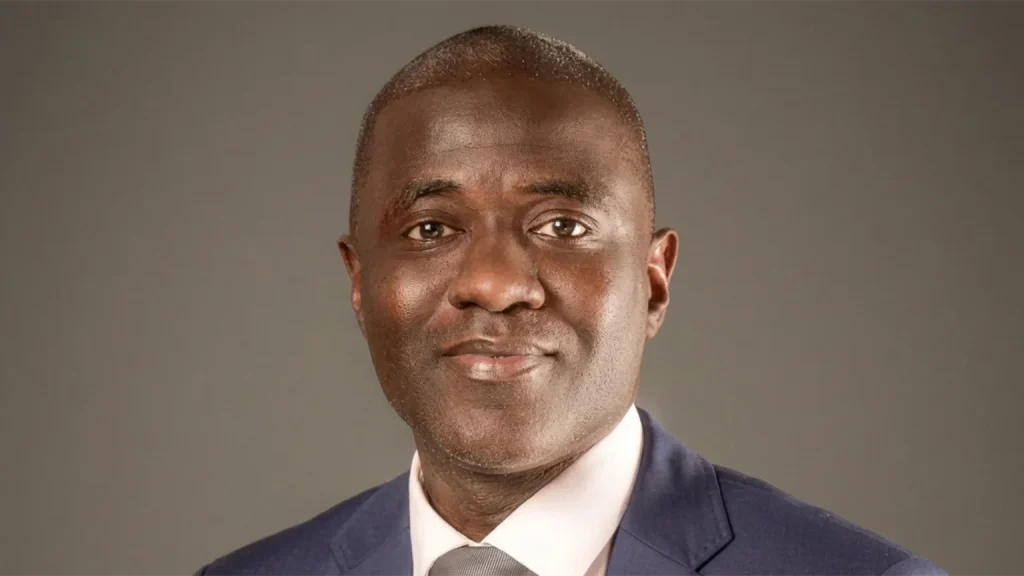
Speaking during a courtesy visit to the Nigerian Communications Commission (NCC), ALTON Chairman Gbenga Adebayo disclosed that the payments were completed following regulatory intervention.
He commended the NCC leadership, particularly Executive Vice Chairman Aminu Maida, for facilitating the resolution, noting that the sector has since transitioned to an End-User Billing (EUB) model to prevent a recurrence.
Under the new framework, USSD charges are billed directly to customers’ airtime rather than to banks, ensuring transparency and timely payments across the value chain.
For years, telecom operators struggled to recover the accumulated USSD debts, a situation that threatened service disruptions. In early 2025, telcos had even concluded plans to withdraw USSD services from about 18 defaulting banks before fresh directives from the NCC and the Central Bank of Nigeria (CBN) compelled compliance.
The End-User Billing system, introduced on June 18, 2025, allows mobile network operators to deduct USSD charges—set at N6.98 per 120 seconds—directly from users’ airtime after an opt-in confirmation. Billing applies only to successful sessions.
Adebayo assured customers that the new arrangement would not disrupt USSD banking services, stressing that users can continue to access bank codes as long as they have sufficient airtime.
“USSD remains critical to financial inclusion, especially for the unbanked and underbanked,” he said. “The old corporate billing model led to disputes, unpaid charges and uncertainty. The EUB model resolves these issues by aligning billing with usage.”
He added that the NCC and CBN now require banks to meet specific regulatory and operational conditions before migrating to the EUB system, a move aimed at safeguarding consumers and ensuring sustainability.
The settlement marks a major milestone for Nigeria’s telecom and banking sectors, restoring stability to one of the country’s most widely used digital financial channels.