inDrive Plans In-App Advertising Rollout Across Top Markets
Users of the popular ride-hailing platform inDrive may soon begin seeing pop-up advertisements within the app. The company has announced plans to introduce in-app advertising across its top 20 markets, according to a report by TechCrunch.
The move signals inDrive’s effort to diversify revenue streams, boost user engagement, and sustain growth in price-sensitive markets such as Nigeria, where margins from ride commissions remain thin.
Expanding Beyond Ride-Hailing
Although inDrive’s Nigerian representatives have yet to respond to media inquiries, reports suggest the company is actively expanding beyond its core ride-hailing service as part of a broader super app strategy targeted for 2026.
In recent years, inDrive has grown into one of the leading ride-hailing platforms in Nigeria, largely due to its price-bidding model, which allows riders and drivers to negotiate fares rather than relying on fixed pricing.
This approach has resonated strongly in a low-purchasing-power economy, where riders prioritise affordability and drivers compete by offering lower fares. The strategy aligns with inDrive’s stated mission of providing cheaper and more accessible rides.
Competitive Pressures in Nigeria’s Transport Market
Despite its growth, inDrive operates in an intensely competitive environment. It faces strong rivalry from global and regional ride-hailing players, particularly Bolt.
Beyond app-based competitors, e-hailing services also contend with traditional transport options such as mass transit buses, minibuses, tricycles, and motorcycles, which often offer cheaper alternatives for daily commuting.
Because ride-hailing platforms are not transport operators in the traditional sense, their revenues depend heavily on commissions from drivers, a model that can be especially challenging in emerging markets like Nigeria.
Why In-App Ads Matter for inDrive
The introduction of in-app advertising fits squarely into inDrive’s super app vision, which focuses on adding high-frequency services such as grocery delivery in frontier and emerging markets.
Advertising offers a high-margin revenue stream that scales with usage rather than ride volume alone. Even if Nigeria does not generate high revenue per user, the country’s large user base and frequent app usage could make ads a meaningful income source.
Similarly, while grocery delivery may not immediately drive significant revenue, it increases how often users open the app—creating more opportunities for ad impressions and engagement.
Together, these initiatives could help inDrive reduce reliance on ride commissions while strengthening its core mobility offering.
How In-App Ads Will Be Displayed
According to inDrive’s Chief Growth Business Officer, Andries Smit, the advertising business will initially focus on in-app placements.
Ads are expected to appear primarily:
- During the waiting period after a ride is booked
- While passengers are en route
These moments, Smit noted, tend to deliver high engagement and sustained user attention.
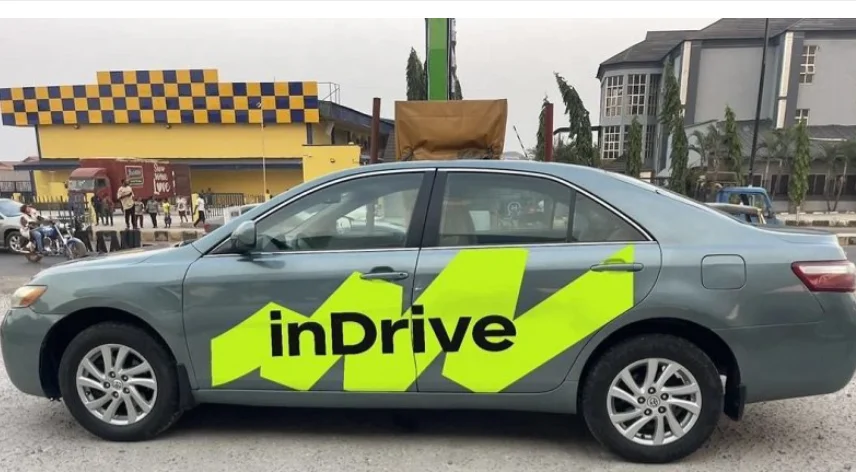
While in-car and on-vehicle advertising are part of the company’s longer-term roadmap, inDrive plans to prioritise digital formats through 2026. This is due to the operational complexity of physical advertising in emerging markets and the stronger early returns from in-app ads.
User Experience and Privacy Concerns
Despite its revenue potential, the move raises concerns among users. Many riders view ads as intrusive, particularly on a service they are already paying for. This could lead to negative reviews or even user churn among those unwilling to tolerate frequent pop-ups.
One possible solution, offering an ad-free option, could undermine the strategy, especially since inDrive may struggle to charge extra fees in a price-sensitive market like Nigeria.
There are also privacy concerns, as users may worry about how their data is used for targeted advertising. As of press time, inDrive has not publicly addressed how user data will be handled or what safeguards will be put in place.
A High-Stakes Bet for inDrive’s Super App Ambitions
In-app advertising represents a significant shift for inDrive as it seeks to evolve from a ride-hailing platform into a multi-service super app.
If executed carefully, ads could provide a sustainable revenue boost without raising fares. If mishandled, however, they risk alienating users in one of the company’s most competitive and price-sensitive markets.
How inDrive balances monetisation, user experience, and privacy in Nigeria may ultimately determine whether this strategy accelerates growth or creates new friction.