Nigeria Adds 1.6 Million Internet Subscribers in October 2025 as Broadband Penetration Hits 49.89%
Nigeria’s internet ecosystem continues to grow, with the latest data from the Nigerian Communications Commission (NCC) showing 142,004,662 internet subscribers as of October 2025. This reflects an addition of 1,645,841 subscribers, up from 140,358,821 in September.
Mobile Internet Remains Dominant
Mobile internet subscriptions via GSM networks continue to dominate, with 142,004,662 subscribers, far ahead of users on wired/wireless ISP services (313,713), VoIP (239,672), and fixed wired services (73,778).
Top Telecom Operators by Mobile Internet Subscribers
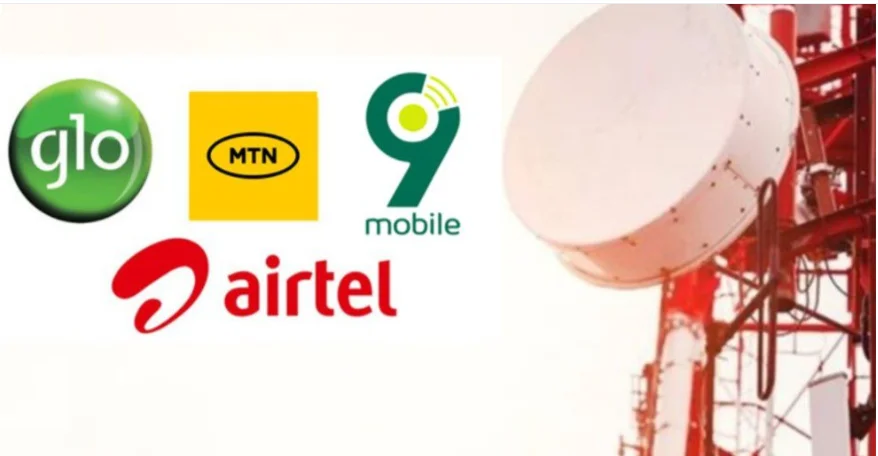
- MTN Nigeria: 78,149,569 subscribers (~60% market share), up 908,798 from September
- Airtel Nigeria: 49,270,318 subscribers, up 581,324
- Globacom: 13,829,813 subscribers, up 144,801
- T2 (formerly 9Mobile): 754,962 subscribers, up 10,918
After significant subscriber losses in 2025, T2 lost 1,320,489 users between January and September, the operator is now showing signs of recovery. The turnaround is largely attributed to a National Roaming agreement with MTN, enabling T2 subscribers to access MTN’s network in areas with limited coverage.
Broadband Penetration Hits New High
The NCC report revealed that Nigeria’s broadband penetration reached 49.89% in October 2025, up from 49.34% in September, a 55% growth. Despite reaching its highest level yet, this remains short of the country’s 70% broadband target by December 2025.
Project Bridge: Nigeria’s $2 Billion Fibre Expansion
In tandem with subscriber growth, the Ministry of Communications and Digital Economy recently unveiled Project Bridge, a $2 billion initiative to deploy 90,000 kilometres of fibre optic network across the country.
Dr Bosun Tijani, Nigeria’s Minister of Communications, described the project as the nation’s most ambitious digital infrastructure endeavour. The project will operate under a Public-Private Partnership (PPP) model, with the government holding a 25–49% minority stake. Private companies and development finance institutions like the World Bank and African Development Bank (AfDB) will fund the remainder.
The Project Bridge network design features seven regional backbone rings connecting Nigeria’s six geopolitical zones:
- Lagos and South West
- South South
- South East
- North Central
- North East
- North West
The design ensures redundancy, low latency, and seamless nationwide data flow, making it scalable and future-ready. The government is also in discussions with Danish investors to support the project.
Outlook for Nigeria’s Digital Economy
With rising internet subscriptions, growing mobile coverage, and large-scale infrastructure projects like Project Bridge, Nigeria is steadily advancing toward its goal of universal broadband access. The combination of operator-led mobile expansion and government-backed fibre deployment is expected to enhance connectivity, boost investment in the telecom sector, and accelerate digital adoption nationwide.