Nigeria is ramping up efforts to assert control over its digital future, with a renewed focus on strengthening local technology capacity and safeguarding national data systems.
The initiative, led by the National Information Technology Development Agency (NITDA), aims to build a robust national software infrastructure while advancing regulatory frameworks that ensure critical digital assets remain under domestic control.
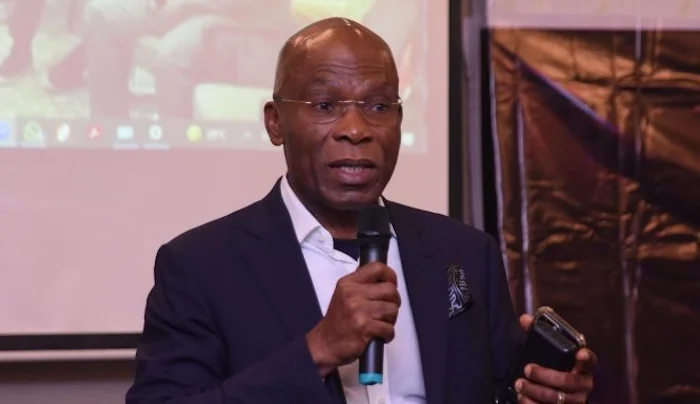
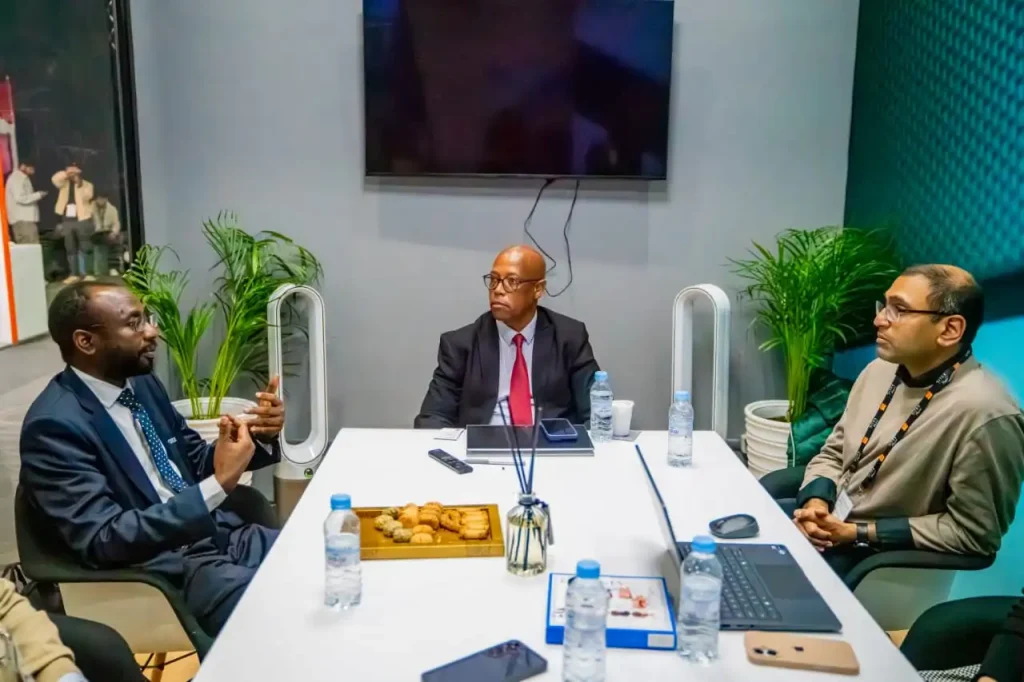
Speaking at the GITEX Africa in Morocco, NITDA Director-General Kashifu Inuwa said the country’s strategy is centered on long-term technological independence rather than geopolitical alignment.
“We are building our national software infrastructure with high-standard regulatory policies that will strengthen digital integration,” Inuwa said. “This is not about geo-tech politics—it’s about shaping our digital future.”
Balancing Global Partnerships with Local Value
Inuwa stressed that Nigeria is not shutting out global technology firms but is instead seeking mutually beneficial partnerships that drive local value creation.
“We are not banning global players. We want them to collaborate with local partners and ensure that value is created and retained within Africa,” he added.
He noted that the approach aligns with global trends, citing frameworks such as the European Union’s Digital Markets Act and Data Governance Act, where regions are increasingly prioritising control over digital infrastructure and data.
Digital Infrastructure as National Security Priority
Nigeria has already taken steps to classify digital infrastructure as critical national assets through an executive order, underscoring the importance of protecting data and digital systems.
According to Inuwa, the broader goal is to ensure that data generated within the country contributes to domestic innovation and economic growth.
“We want to keep the intelligence in our country. We want to be part of creating value—not just consuming technology,” he said.
Closing the Historical Gap
The NITDA boss also highlighted the need to avoid past industrial patterns where Africa contributed raw materials and labour but captured little value.
“This time, we must build our own digital capabilities and participate fully in value creation,” he said.
Ericsson Partnership and Industry Collaboration
On the industry side, Ericsson reaffirmed its long-standing role in Nigeria’s telecom sector, noting over 50 years of operations supporting network evolution from 2G to 5G.
The company outlined key areas of collaboration with the Nigerian government, including:
- Establishment of a joint innovation hub
- National hackathon initiatives
- Digital skills development programmes
- Exchange of global best practices
Ericsson also warned of rising competition across Africa’s telecom landscape and called for stronger policy support to protect ICT infrastructure and ensure system resilience.
What Lies Ahead
With discussions ongoing around data ownership, emerging technologies, and regulatory frameworks, the Federal Government is expected to unveil clearer policy directions in the coming months.
The move signals Nigeria’s growing ambition to build a secure, competitive, and self-reliant digital economy—anchored on local innovation, strategic partnerships, and stronger governance of digital assets.