Ilorin is fast emerging as a new frontier in Nigeria’s growing technology landscape, as investors and policymakers increasingly look beyond Lagos for the next wave of startup growth.
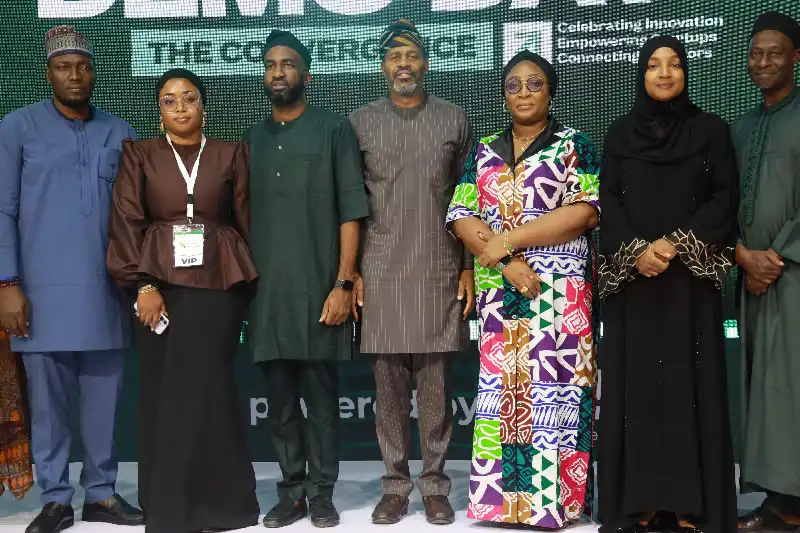
At the recent Demo Day hosted by the Ilorin Innovation Hub, venture capitalists, corporate leaders, founders, and policymakers converged to explore opportunities in the country’s inland innovation ecosystem—signaling a potential shift in Nigeria’s tech investment geography.
Managing Director of the hub, Temi Kolawole, described the gathering as a defining moment for decentralising innovation in Nigeria.
“We have investors, venture capitalists, and global stakeholders here in Ilorin—not Lagos or Abuja. That convergence is exactly what this ecosystem needs to grow,” he said.
Nigeria’s tech sector has recorded rapid growth over the past decade, attracting billions in venture funding. However, much of that activity has remained concentrated in Lagos, leaving other regions largely untapped.
The Ilorin Innovation Hub, backed by the Kwara State Government and private sector partners including IHS Towers, aims to change that narrative by building a sustainable innovation ecosystem in the north-central region.
Kolawole emphasised that innovation should be viewed as a national priority rather than a city-specific phenomenon. “Technology is one of the strongest tools we have to drive Nigeria’s future growth,” he noted.
Since its launch, the hub has made measurable strides. According to programme lead Zumah Yahaya, it has supported 23 startups to become investment-ready within 10 months and built a community of over 9,000 members.
The initiative has also extended its reach beyond Kwara, hosting ecosystem development workshops in at least eight states and training more than 5,000 participants in entrepreneurship and digital skills. Notably, 171 artificial intelligence engineers have been trained as part of efforts to bridge Nigeria’s tech talent gap.
Demo Day featured pitches from nine startups across sectors including healthcare, agriculture, renewable energy, and digital services. Some participants secured prize funding through an accelerator programme supported by Accelerate Africa.
Senior Vice-President at IHS Nigeria, Kazeem Oladepo, said the programme is focused on transforming ideas into viable businesses capable of solving real-world problems.
“What we are seeing is the outcome of sustained mentorship and product development. The next phase is scaling these solutions,” he said, adding that investor interest in the startups has been strong.
Beyond funding, stakeholders highlighted the importance of infrastructure, mentorship, and market access in building successful startups. The hub’s model integrates these elements into a single pipeline, addressing longstanding gaps in Nigeria’s fragmented startup support system.
Chief Commercial Officer at IHS Nigeria, Akeem Adeshina, noted that founders often struggle with disjointed access to resources. “We built a system that combines infrastructure, capacity development, and funding access in a coordinated way,” he said.
Kwara State Commissioner for Business, Innovation and Technology, Damilola Yusuf-Adelodun, pointed to a broader cultural shift among young Nigerians.
“More young people are now focused on building ideas rather than just seeking jobs. That mindset change is critical to economic transformation,” she said, adding that cities like Ilorin offer lower operating costs and new opportunities for startups and remote workers.
While Lagos remains Nigeria’s dominant tech hub, rising costs and congestion are pushing investors to explore emerging ecosystems. Ilorin’s growing traction suggests that innovation in Nigeria may increasingly spread inland.
For Kolawole, the long-term vision is clear: “This is just the beginning. Over time, Ilorin can become a hub where startups grow into major companies—and even unicorns.”