Tinubu Pushes for Global Ethical Standards for AI at 2025 G20 Summit
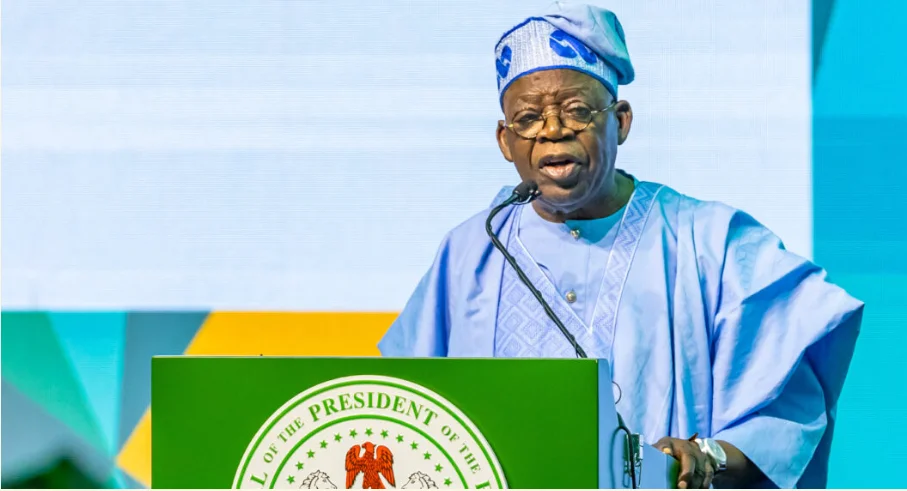
President Bola Tinubu has reaffirmed Nigeria’s support for the establishment of global ethical standards for Artificial Intelligence (AI), stressing that the rapidly advancing technology must remain “a servant of humanity,” not a threat to equity or development.
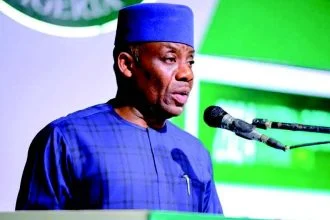
Delivering Tinubu’s remarks at the Third Session of the 2025 G20 Leaders’ Summit in Johannesburg, Vice President Kashim Shettima stated that Nigeria will continue to advocate for a just inclusive digital future. The session focused on “A Fair and Just Future for All: Critical Minerals, Decent Work, Artificial Intelligence.”
AI Must Empower, Not Displace — Tinubu
President Tinubu highlighted AI’s transformative potential but warned that the technology must not reinforce existing global inequalities.
“Nigeria supports the creation of global ethical standards for AI that uphold safety, transparency and equity,” he said.
“We must ensure that AI becomes a tool of empowerment, not exclusion; of job creation, not displacement.”
Tinubu urged the G20 to foster partnerships between developed and developing countries, as well as between governments and the private sector, to ensure that technological progress benefits all.
He added that the G20 must address systemic bias and advance multilateral dialogue to ensure AI’s benefits are equitably distributed while its risks are responsibly managed.
Value Addition for Critical Minerals Must Happen at Source
Turning to Africa’s critical minerals, Tinubu said the continent can no longer afford to supply raw materials while value addition is added abroad. “Nigeria calls for a global framework that promotes value addition at the source, supports local beneficiation, and ensures that communities hosting these resources are not left behind.” He stressed that responsible extraction, fairness, and accountability must underpin Africa’s mineral development to ensure shared prosperity.
Nigeria Investing in Digital Literacy and Future-Ready Skills
Tinubu noted that under his Renewed Hope Agenda, Nigeria is investing heavily in digital literacy, vocational training, and youth entrepreneurship to build a workforce equipped for the future of work.
“Decent work is the anchor that makes these transitions fair, inclusive, and sustainable. It is the foundation of development that ensures every person has the opportunity to contribute, thrive, and share in national prosperity.”
Global Financial Systems Must Reflect Modern Realities
In a separate intervention at the Summit, Tinubu called for a major overhaul of global financial structures, noting that many institutions were created in an era that no longer reflects current challenges.
“For trade to be truly inclusive, the G20 must take bold and deliberate steps towards reforming the international financial architecture.”
He said only a more equitable and responsive system can fairly manage global financial flows, address recurring debt crises, and support nations, especially in the Global South, toward sustainable economic stability.
Africa Needs Sustainable Financing, Not Aspirations Alone
Tinubu emphasised that Africa’s rise depends on global commitment to fair financing systems and responsible mineral governance.
“The continent cannot rise on the wings of aspiration alone. We must confront the urgent need for sustainable financing to ensure the effective implementation of our developmental priorities.”
He urged the G20 to prioritise debt sustainability and prudent management of critical minerals in its Leaders’ Declaration.