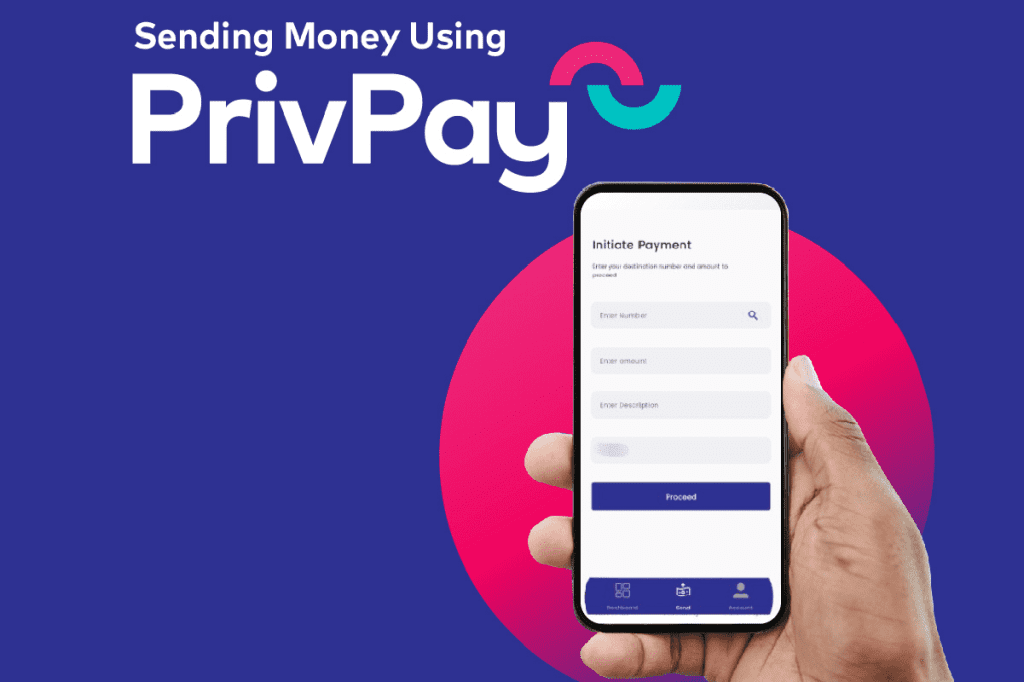
Kenyan fintech PrivPay, which offered customers the ability to make M-PESA transactions anonymously, ceased operations in May 2023 after Safaricom revoked its access to M-PESA APIs. The telecom giant cited compliance violations as the reason for the shutdown, according to sources familiar with the matter.
Launched in 2022, PrivPay marketed itself as a privacy-focused platform, shielding users’ personal information, such as names and phone numbers, from merchants during transactions. The startup’s service relied on Safaricom’s Daraja, a free API for M-PESA integration. However, Safaricom claimed that PrivPay’s business model was not compliant with its policies and Kenya’s anti-money laundering regulations, effectively banning third-party transactions through M-PESA.
Safaricom also suspended PrivPay’s pay bill account in May 2023, cutting off its ability to process transactions for its claimed 30,000 users. The telco asked PrivPay to obtain a Payment Service Provider (PSP) license from the Central Bank of Kenya (CBK) or secure a letter of no objection from the regulator. The PSP licensing process, which can take up to six months, was deemed too resource-intensive by PrivPay at the time.
Despite claims of prior discussions and Safaricom’s initial support, PrivPay alleges that the telco backtracked after the startup gained media attention. Safaricom, however, maintained that PrivPay’s operations were non-compliant and required proper regulatory authorization.
PrivPay stated that it adhered to record-keeping protocols, storing transaction data for at least seven years and ensuring suspicious patterns could be flagged. However, without a PSP license or a letter of no objection, its operations could not continue.
While the startup hopes to relaunch in the future, it faces the challenge of meeting Kenya’s stringent regulatory requirements, highlighting the need for fintechs to prioritize compliance alongside innovation.