NBMA Introduces AI, Blockchain, and QR Codes to Strengthen GMO Regulation in Nigeria
The National Biosafety Management Agency (NBMA) has unveiled plans to incorporate artificial intelligence (AI), blockchain technology, and QR code systems into the regulation and monitoring of Genetically Modified Organisms (GMOs) in Nigeria. This move aims to enhance efficiency, transparency, and traceability in the nation’s growing biotechnology and biosafety ecosystem.
Dr. Ugo Onyekwelu, South-West Zonal Controller of NBMA, announced the initiative during the 11th Regional Food Science and Technology Summit organised by the Nigerian Institute of Food Science and Technology (NIFST) in Lagos.
Modern Technology in Biosafety and Biosecurity
According to Dr. Onyekwelu, the integration of these emerging technologies will support smarter, data-driven decision-making in GMO regulation. While lab-grown foods have not yet been approved for consumption in Nigeria, the agency’s biosecurity policy lays the foundation for future regulatory oversight of such products. “Beyond biosafety, which ensures the safe use of GMOs, NBMA also focuses on biosecurity — preventing the deliberate or accidental release of harmful organisms,” she stated, referencing Ebola and COVID-19 as examples of biosecurity threats.
Long-Term Safety Evaluation
Dr. Onyekwelu emphasised that each GMO approved in Nigeria undergoes 8–10 years of scientific research and risk assessment to ensure its safety for human health, animals, and the environment. The NBMA currently uses a single-window system through the Nigerian Trade Portal to track GMO imports and exports, helping flag suspicious shipments and enhance accountability.
Partnership With NAFDAC
To keep up with the rapid evolution of biotechnology and synthetic biology, NBMA is collaborating with NAFDAC to draft updated regulatory guidelines. These efforts aim to cover innovations, including lab-cultured meat, gene-edited crops, and 3D-printed food.
Addressing GMO Misconceptions
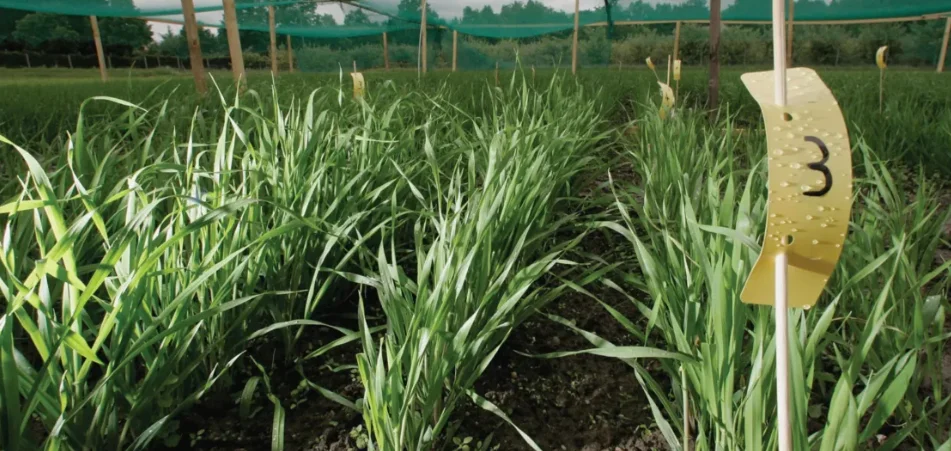
Dr. Onyekwelu addressed widespread misinformation about GMOs. Contrary to public fears, she clarified that GMOs are not made through chemical injections but by inserting specific beneficial genes. These genes help crops gain traits like pest resistance, herbicide tolerance, or drought resilience.
“All GMOs approved in Nigeria are backed by rigorous scientific studies,” she affirmed.
GMOs Approved and Under Trial in Nigeria
Currently, GMOs approved for commercial use in Nigeria include:
- BT Cotton
- BT Cowpea
- HT Soybean
Field trials are ongoing for:
- African Biofortified Sorghum – fortified with iron, zinc, and provitamin A
- Genetically Modified Cassava – engineered for extended shelf life and virus resistance
The agency urges the public to report unapproved GMO products for swift investigation.
Call for Regulatory Clarity and Responsible Consumption
Mrs. Taiwo Ubani, Chairperson of the Local Organising Committee, called on regulators to establish clear frameworks for the approval of emerging food technologies such as GMOs and 3D food printing.
She emphasised the importance of moderation in consumption and proper food processing. Using cassava as an example, she noted how high-cyanide varieties have been made safer through innovations from institutions like the International Institute of Tropical Agriculture (IITA).
With the integration of AI, blockchain, and QR codes, the NBMA is setting a new benchmark for GMO regulation in Africa. These digital tools promise to bolster food safety, build public trust, and position Nigeria as a leader in biosafety innovation.