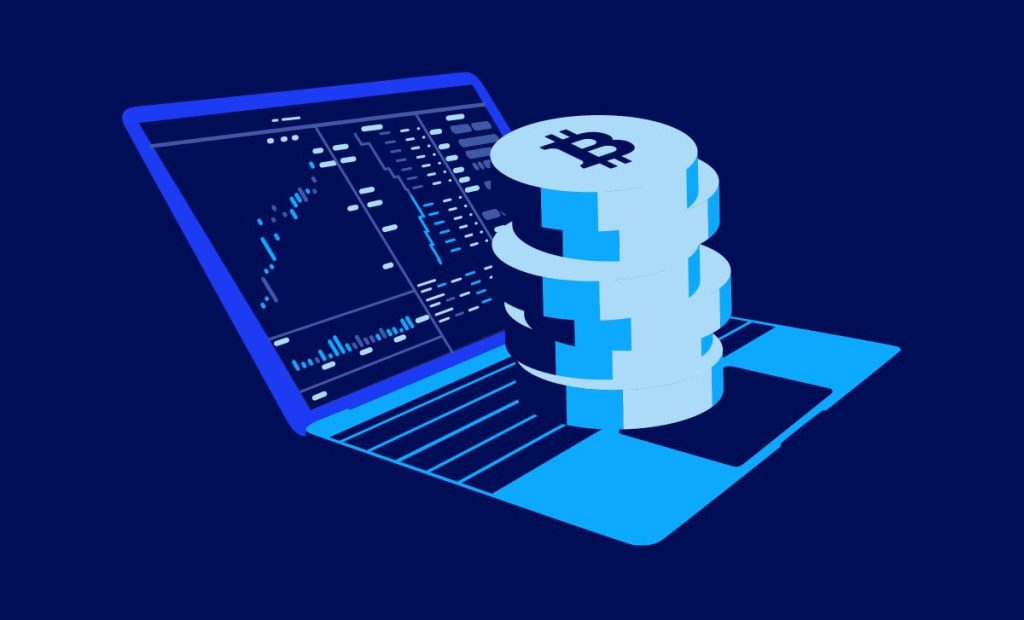
The ongoing crackdown on Binance, Nigeria’s most popular crypto exchange, has driven users to alternative platforms like Bybit, Kucoin, and Telegram’s in-app wallet. This shift follows regulatory actions, including restricted access to Binance, Coinbase, and Kraken websites by Nigeria’s telecom regulator, the Nigerian Communications Commission (NCC), due to allegations of forex price manipulation.
Many crypto traders, like Pascal*, have been forced to adapt, seeking alternatives to convert naira to USDT as a hedge against inflation. Platforms such as Bybit, which charges a low transaction fee of 0.2%, have become a favorite among traders. Telegram’s peer-to-peer (P2P) crypto wallet, launched in 2023, has also gained traction, despite concerns over its custodial nature, which poses security risks.
Challenges with Alternatives
While foreign platforms are gaining popularity, local exchanges such as Zap, Furex, and Quidax are largely overlooked due to concerns over liquidity and trust. Traders prefer global platforms like Binance and OKX, which are seen as more secure and reliable, offering better assurances in case of hacks.
Some users have reverted to trading on messaging platforms like WhatsApp, reminiscent of pre-exchange days. However, this method exposes traders to the risk of scams due to the lack of regulated escrow services, despite efforts by group administrators to act as intermediaries.
Binance’s Troubles Continue
Binance’s regulatory woes in Nigeria persist. Two executives, Nadeem Anjarwalla and Tigran Gambaryan, traveled to the country to address issues related to restricted website access but faced legal troubles. Anjarwalla fled custody, while Gambaryan remains detained. The Nigerian government has accused Binance of tax evasion, alleging the company failed to register with the Federal Inland Revenue Service (FIRS), pay VAT, or file tax returns.
Further, the government suspects Binance of forex price manipulation. Reports revealed suspicious USDT buy orders—some as large as $1.9 million—that were never completed, creating artificial demand and exacerbating the naira’s decline. Binance attempted to stabilize the naira by capping USDT buy and sell rates, but the measures failed to alleviate regulatory scrutiny.
Looking Ahead
While Binance has emphasized its commitment to compliance and collaboration with Nigerian authorities, including assisting with financial crime investigations, its current challenges are far from resolved. As traders turn to alternatives, the landscape of crypto trading in Nigeria is undergoing a significant transformation, raising questions about the future of crypto exchanges in the country.