
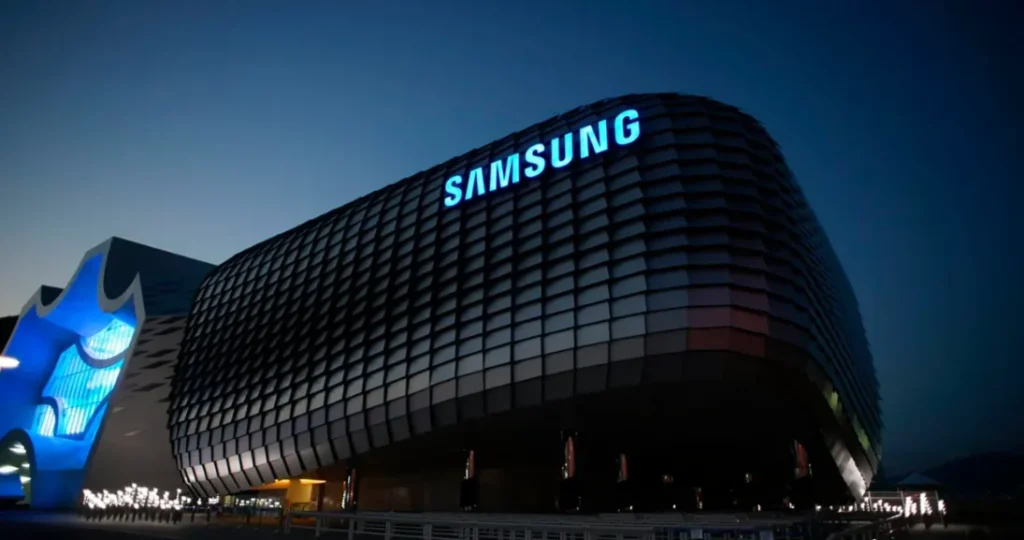
Samsung Electronics is projected to report a 39% decline in second-quarter operating profit, largely due to sluggish AI chip sales and delays in supplying advanced HBM chips to Nvidia, according to analysts and data from LSEG SmartEstimate.
The world’s largest memory chipmaker is expected to post an April–June operating profit of 6.3 trillion won ($4.62 billion), marking its lowest quarterly income in six quarters. The announcement is expected on Tuesday, July 9, and signals continued challenges for Samsung amid rising global competition in the semiconductor industry.
Why Samsung’s AI Chip Business Is Lagging
While competitors like SK Hynix and Micron Technology have seen a boost from soaring artificial intelligence (AI) demand, Samsung has yet to secure major AI chip supply deals due to several key factors:
- Delayed HBM3E certification by Nvidia: Samsung is still waiting for Nvidia—the AI chip leader—to qualify its latest HBM3E 12-high memory chips, which are critical for AI data centres.
- Limited shipments in 2024: Analysts, including Ryu Young-ho from NH Investment & Securities, say Samsung’s shipments of these chips to Nvidia may remain minimal this year.
- U.S. export restrictions to China: With the U.S. restricting advanced chip exports to China, Samsung’s sales in one of its biggest markets remain constrained.
Despite earlier forecasts in March suggesting progress in HBM qualification by June, Samsung has declined to confirm whether its chips have passed Nvidia’s validation process.
AMD Begins Receiving Samsung’s HBM Chips
In contrast to its stalled Nvidia engagement, Samsung began supplying its HBM3E chips to AMD as of June, according to a statement from the U.S. company. This move could help Samsung gain traction in the competitive AI memory chip space—though analysts caution that the financial impact in Q2 remains limited.
Solid Smartphone Sales Offer Partial Relief
While chip sales disappoint, Samsung’s smartphone division is expected to post stable performance, driven by:
- Stockpiling by U.S. retailers ahead of possible tariffs on imported smartphones
- Continued consumer demand for mid-range and flagship Galaxy devices
However, uncertainty over U.S. trade policy looms large. The Biden administration is reportedly considering:
- A 25% tariff on smartphones not manufactured in the U.S.
- Reciprocal tariffs on trading partners
- Revoking licenses that allow Samsung and others to receive U.S. tech at China-based fabs
These geopolitical risks could further disrupt Samsung’s supply chain and affect future revenue.
Stock Performance: Samsung Lags Behind Peers
So far in 2025, Samsung’s shares have risen 19%, significantly underperforming the benchmark KOSPI’s 27.3% gain and lagging behind rivals in the semiconductor space. As of 0447 GMT on Monday, Samsung shares were down 1.9%, while the broader KOSPI index rose 0.3%.