Stakeholders in Nigeria’s blockchain ecosystem are exploring how blockchain technology could help curb electoral fraud and rebuild public trust in the country’s voting process, even as experts caution that significant challenges remain before the technology can be widely adopted.
The debate took centre stage during an online discussion hosted on X (formerly Twitter) by the Stakeholders in Blockchain Technology Association of Nigeria (SiBAN), themed “From Ballot to Blocks: Can Blockchain Fix Nigeria’s Elections?”.
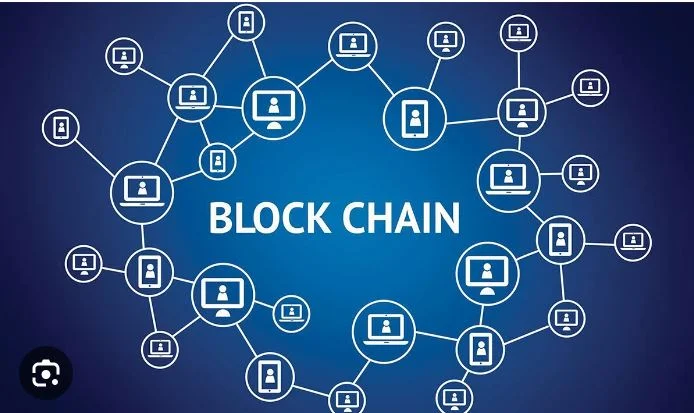
Industry experts, technology developers and election officials examined whether blockchain’s decentralised and tamper-resistant architecture could strengthen transparency in vote recording and result transmission.
Blockchain could protect vote integrity
Speaking during the forum, Oluwaseun Dania, Chief Executive Officer of Alpha-Geek Technologies, said the fundamental problem in Nigeria’s elections lies less in how citizens vote and more in the lack of trust in how votes are handled afterward.
According to him, blockchain could help protect the integrity of election results by creating time-stamped and immutable digital records.
“The real opportunity is not necessarily to change how Nigerians vote,” Dania said. “It is to technically protect the integrity of the votes already cast so that everyone can see the results recorded transparently.”
Analysts say distrust in vote collation and result transmission has contributed to declining voter turnout in Nigeria’s recent elections.
Gradual adoption recommended
Despite the optimism around blockchain, participants at the forum warned that structural challenges — including limited internet access, digital literacy gaps and infrastructure constraints — could complicate the immediate adoption of a fully blockchain-based voting system.
Rather than implementing nationwide electronic voting immediately, Dania suggested a gradual hybrid model, where blockchain would first be introduced into key parts of the electoral process.
These could include securing voter registers and National Identification Numbers on blockchain networks and using the technology to verify and transmit election results from polling units to collation centres.
Proposed technical framework
Also speaking, Harry Ugorji, Chief Executive Officer of Egoras Technology, proposed a system that could integrate blockchain into Nigeria’s election process without placing financial burdens on polling officials.
Under the proposal, polling agents would scan official result sheets — such as the EC8A form — using mobile devices. Artificial intelligence tools would then extract the data and transmit it to blockchain-based smart contracts.
The records could be stored on the InterPlanetary File System (IPFS), a decentralised storage protocol that allows anyone to verify the authenticity of uploaded data.
According to Ugorji, such a system could eliminate the so-called “black box period” between voting and result announcement, a stage frequently associated with allegations of manipulation.
INEC outlines ongoing digital reforms
Officials from the Independent National Electoral Commission (INEC) also participated in the discussion, highlighting the commission’s efforts to modernise Nigeria’s electoral process.
Taiwo Gbadegesin, Head of Voter Education at INEC Lagos, said election management involves continuous activities beyond election day, including the monitoring of party primaries and the evaluation of political associations.
He noted that Continuous Voter Registration (CVR) remains the commission’s most critical engagement with citizens, typically intensifying 18 to 24 months before general elections.
Gbadegesin added that INEC has improved the process through an online pre-registration portal, allowing Nigerians to begin voter registration remotely, transfer polling units, or update personal information before visiting registration centres for biometric capture.
According to him, the streamlined process can reduce the time spent at registration centres to less than five minutes.
Calls for pilot programmes
Participants at the forum stressed that blockchain adoption should begin with small-scale pilot programmes before any nationwide deployment.
Suggested testing environments include student union elections in universities or secondary school representative polls, which could help build technical expertise and public confidence in the technology.
SiBAN said it remains open to collaborating with INEC and other stakeholders in an advisory capacity to explore how blockchain tools could fit into Nigeria’s evolving electoral framework.
Experts, however, emphasised that beyond the technology itself, successful adoption would depend on regulatory approval and the willingness of political actors to operate in a system where electoral records cannot be altered once recorded.